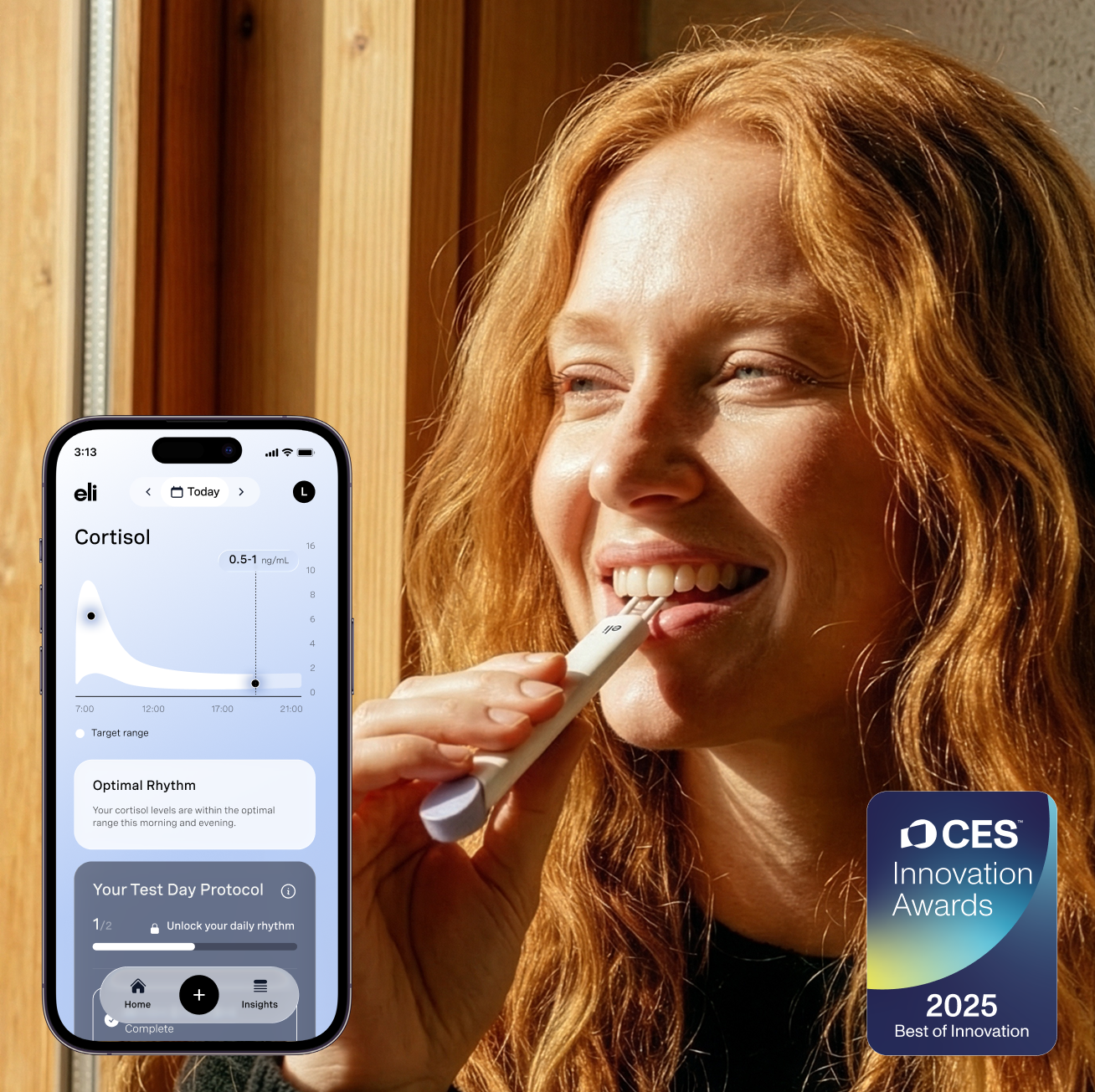
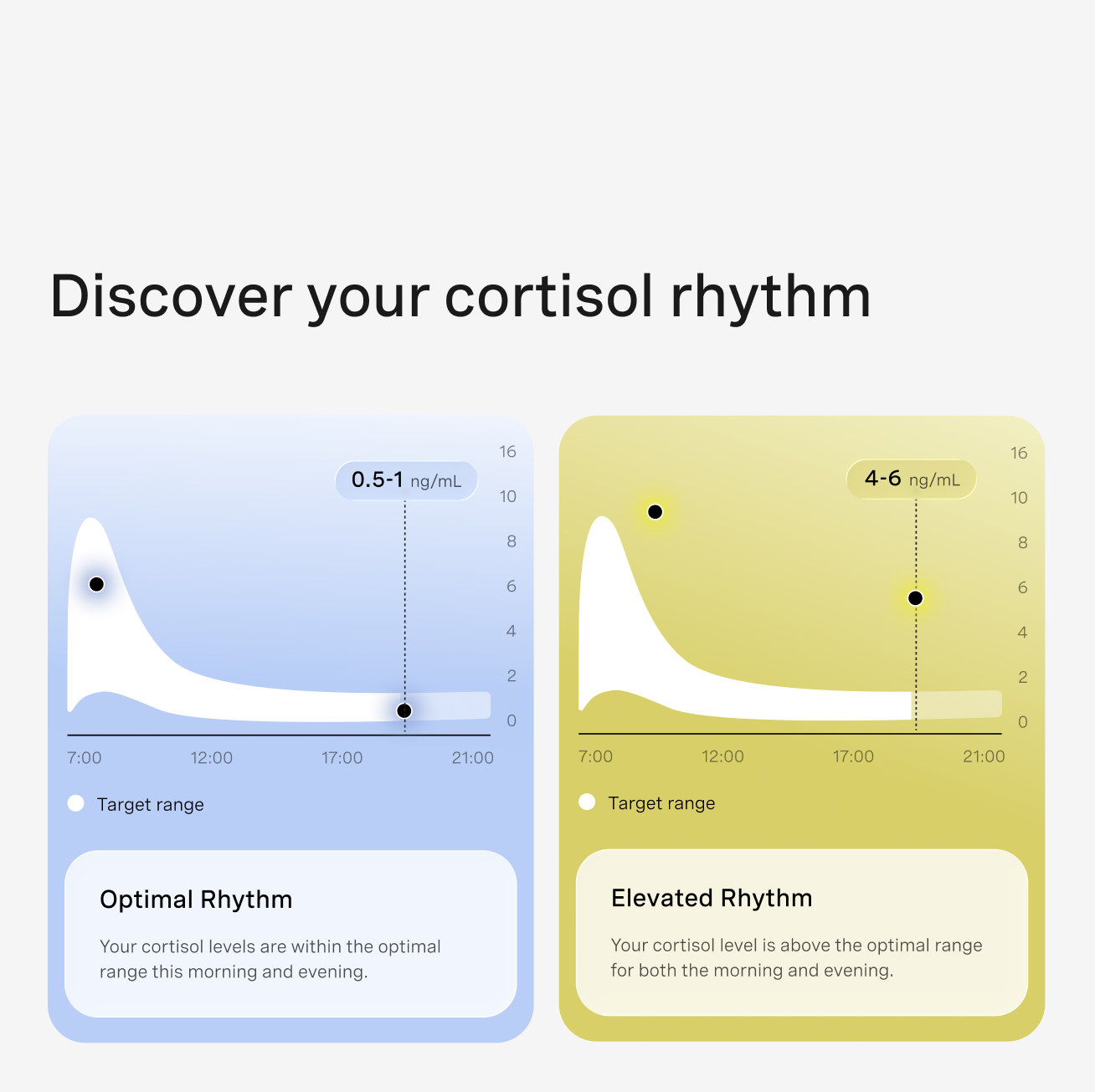
Your cortisol is 5.2 ng/mL at 10 AM. What does that mean?
You have your level. Now add context to get real insights.
The same number, opposite stories
Reading: 3.5 ng/mL at 2 PM
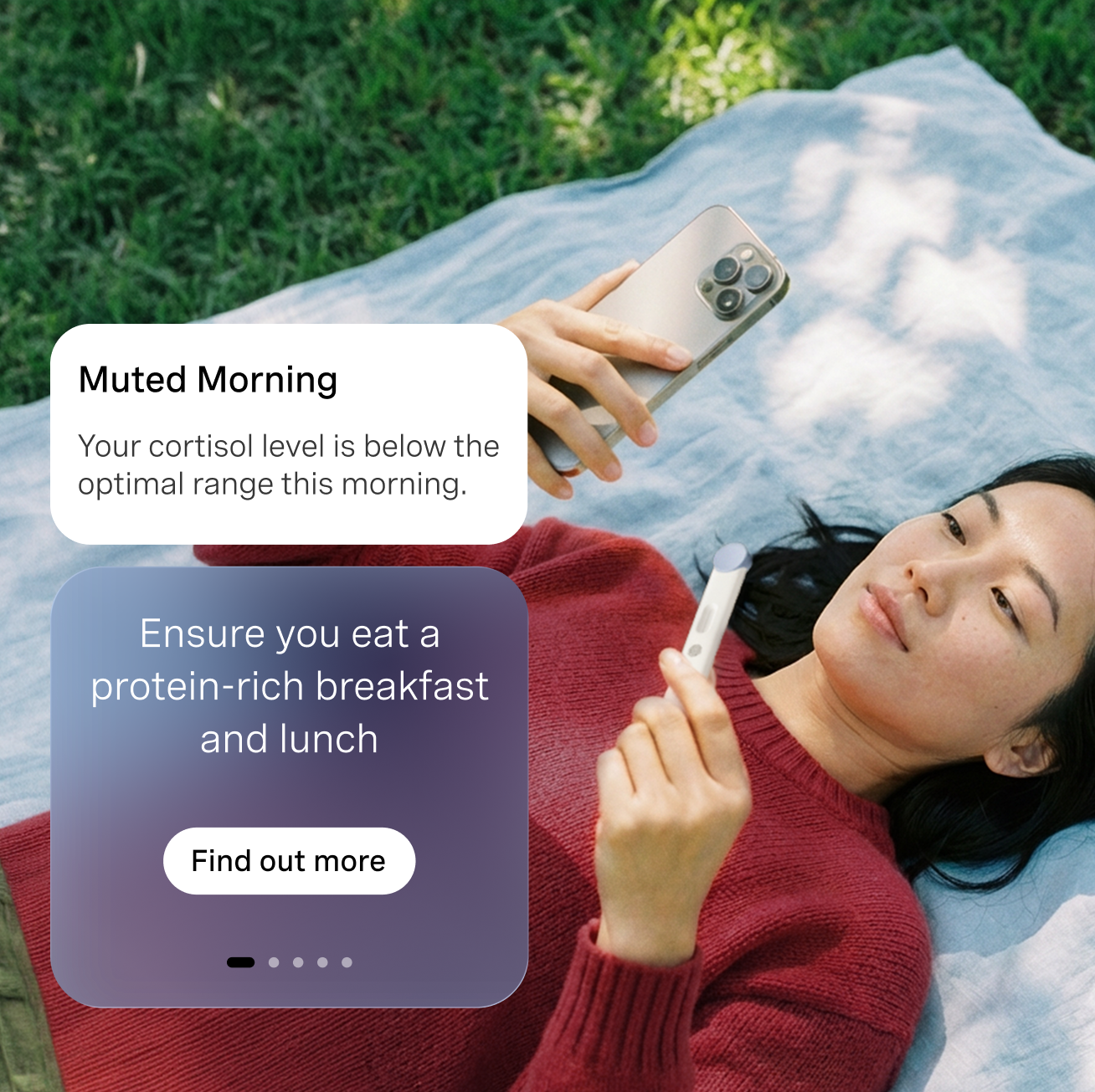
Tagged "high stress + poor sleep" → Elevated afternoon cortisol. Your rhythm is flattening.
Tagged "post-workout" → Normal exercise spike. Healthy stress response.
Identical number. Completely different meaning.
How health tags work
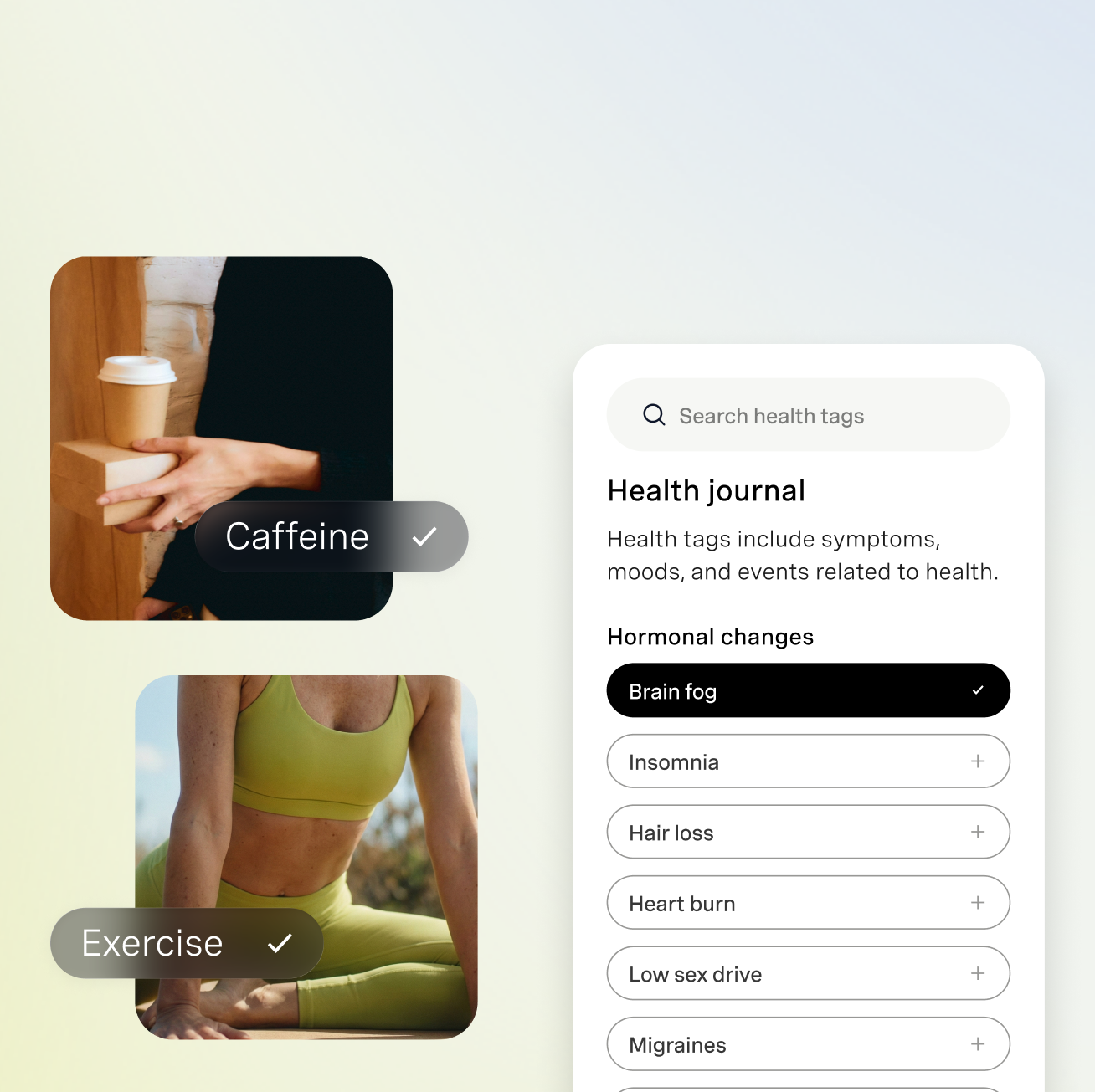
Hormometer® prompts you to tag three things:
-
What happened before? (Poor sleep, workout, high stress)
-
What's happening now? (Mood, energy, pain)
-
What are you tracking? (Sleep quality, burnout, recovery)
Takes 10 seconds. Makes your data 10x more useful.
Three moments to add context
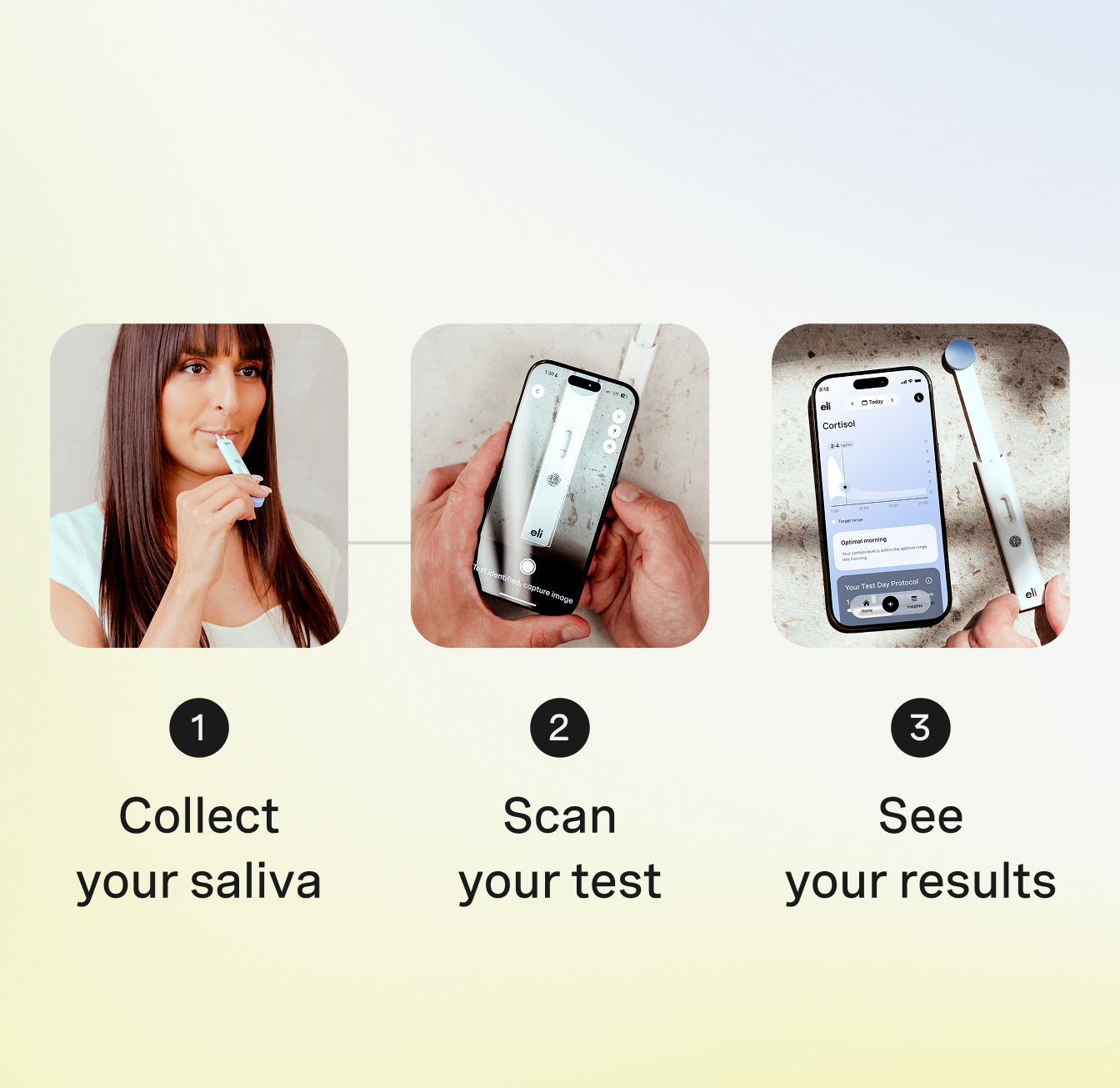
During the 20-minute wait → Log what led to this test
When you get results → App suggests relevant tags based on your reading
In your timeline → Add missing context to past tests
Pre-built tags + custom tags
Choose from organized categories:
-
Sleep: Good sleep, poor sleep, woke at 3am
-
Stress: High stress, conflict, deadline
-
Exercise: Strength training, yoga, cycling
-
Mood: Anxious, burnout, calm
-
Supplements: Magnesium, vitamin D, adaptogens
Can't find what you need? Create your own custom tags.
Track your unique patterns:
-
"Intermittent fasting day"
-
"First day of period"
-
"Date night"
-
"Travel day"
Your life doesn't fit neat categories. Your tags shouldn't either.
What tags reveal
After 2-4 weeks of consistent tagging:
-
Poor sleep always blunts your morning surge
-
Afternoon coffee spikes evening cortisol
-
Strength training elevates readings for 2-3 hours
-
Weekend sleep-ins normalize your awakening response
These aren't insights from studies. They're insights from your patterns.
The five most valuable tags
-
Poor sleep / Good sleep — Biggest cortisol predictor
-
High stress — Distinguishes spikes from baseline
-
Post-workout — Prevents misreading exercise elevation
-
Burnout — Marks chronic suppression
-
Caffeine — Isolates stimulant effects
The mistake everyone makes
Testing consistently. Tagging inconsistently.
Result: Numbers without story. Data without meaning.
What tags actually tell you
Not "your cortisol is 6 ng/mL"
But "your cortisol spikes above 5 ng/mL every time you combine poor sleep + high stress + afternoon caffeine"
Not "you tested lower this week"
But "every test tagged 'good sleep + yoga' shows 20-30% lower evening cortisol"
That's not tracking. That's pattern recognition.
Track cortisol with context built in. Start with Hormometer®.