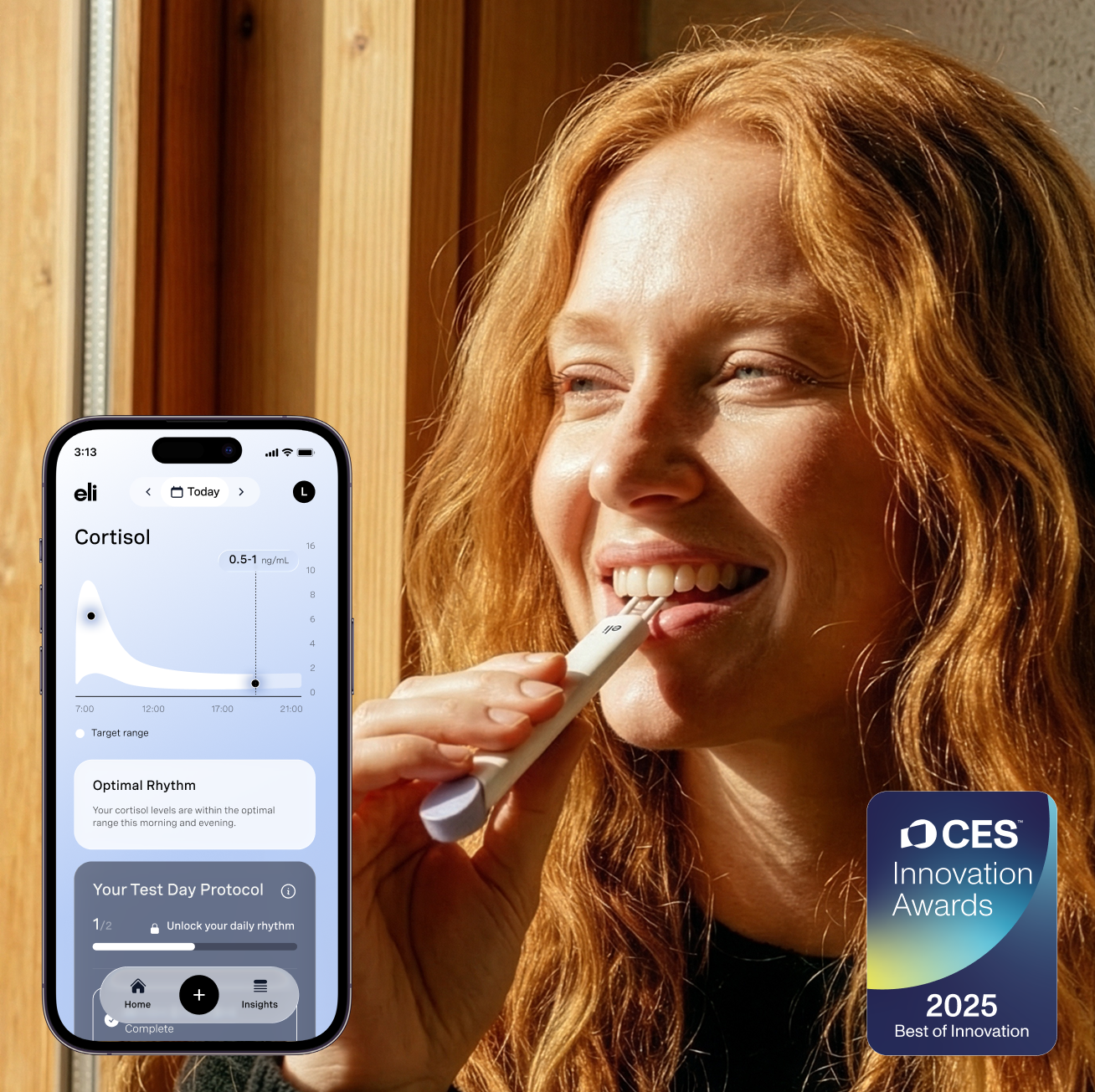
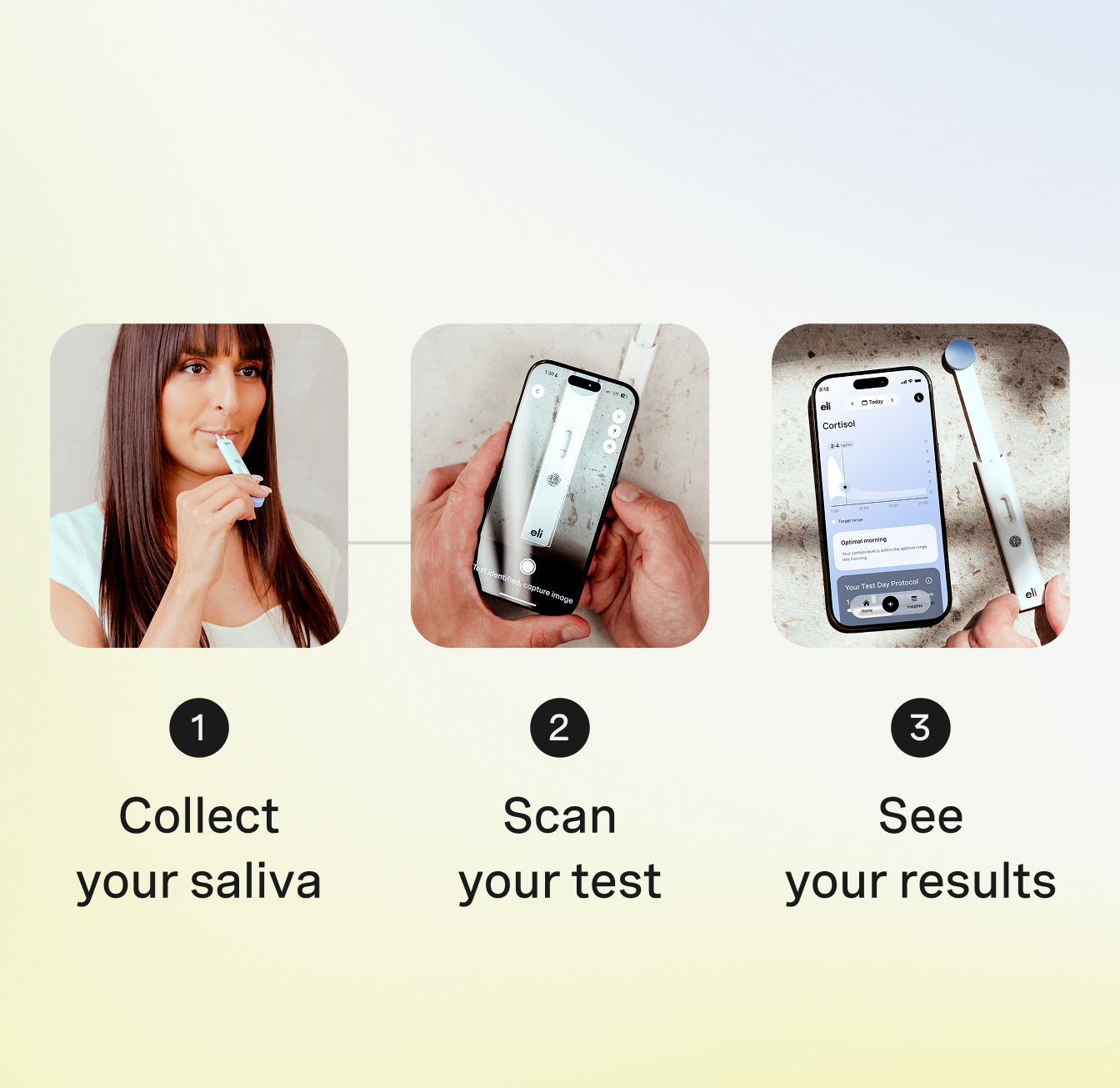
You've tested throughout the day. Your cortisol score is in: a number between 0 and 100. But what does it mean?
Your score isn't a grade on a single test. It's a daily pattern score that shows how well your entire cortisol rhythm aligns with a healthy, optimal pattern.
How the score works
The Hormometer® score considers both your cortisol levels and timing across the day. Rather than judging one test, it summarizes your full daily pattern into one easy-to-understand metric.
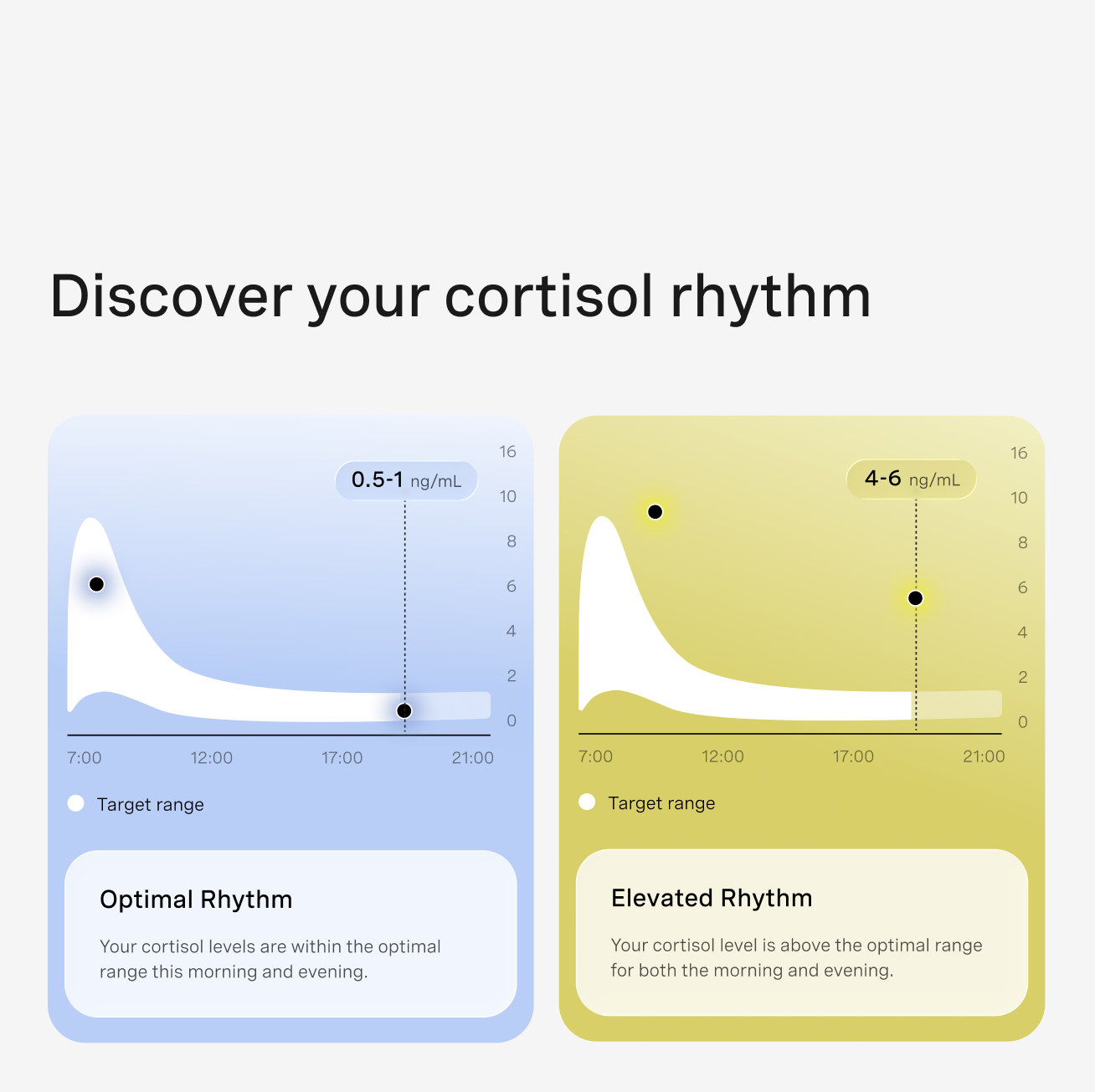
A high score (70-90) = Your cortisol rhythm is well-balanced. Peak in the morning, gradual decline through the day, low by evening.
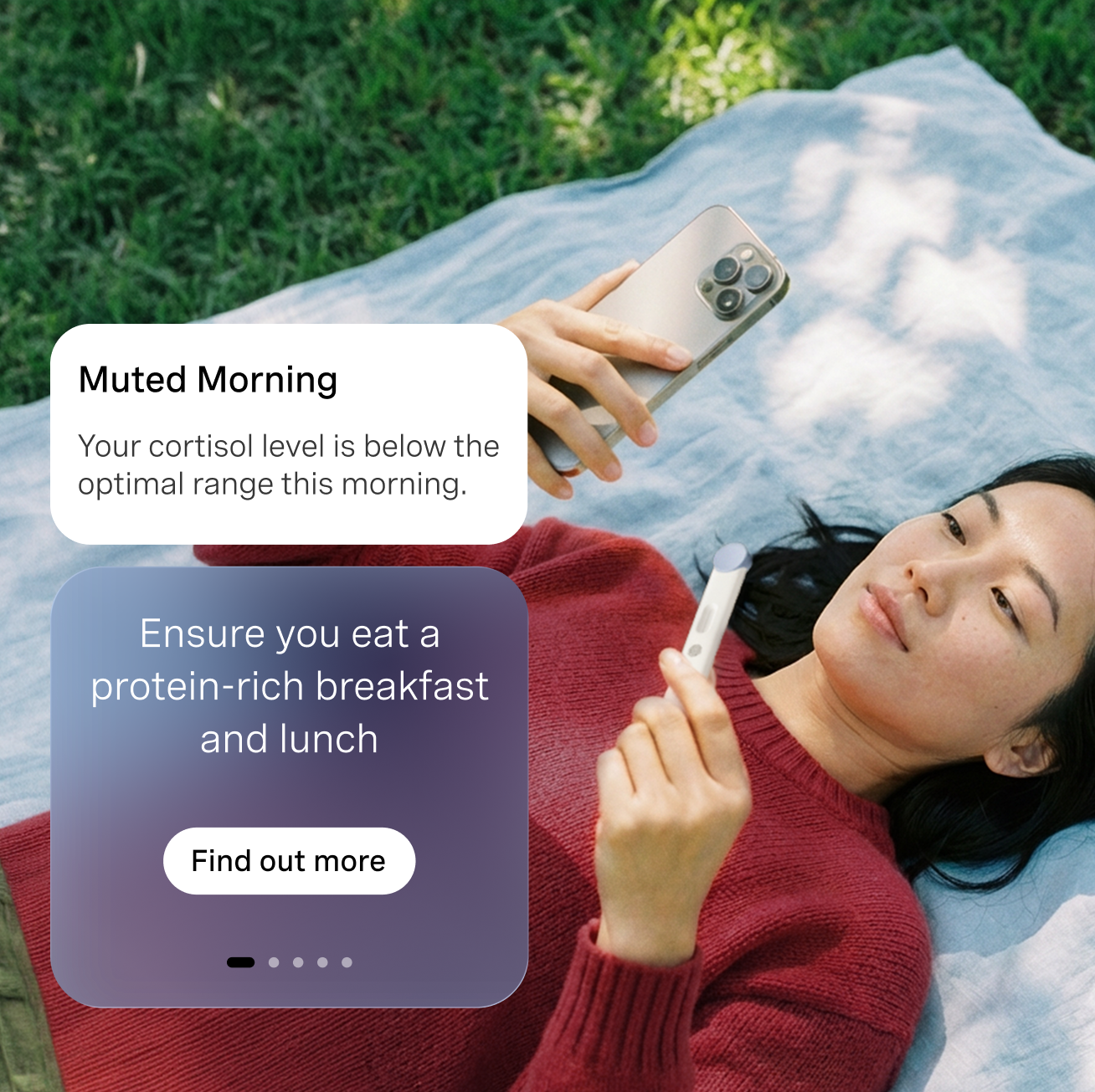
A moderate score (50-70) = Some disruption. Maybe your morning surge is blunted, or your evening levels aren't dropping enough.
A low score (below 50) = Significant dysregulation. Flat curve, reversed pattern (low morning/high evening), or erratic spikes.
The score reflects your whole rhythm—not just whether one test was "high" or "low."
What your score reveals
Your score is a snapshot of your daily cortisol rhythm—the pattern created by testing multiple times across the day.
A low score might mean:
-
Your morning cortisol never peaks properly (blunted awakening response)
-
Your evening cortisol stays elevated when it should drop
-
You have a flat curve with little variation throughout the day
-
Chronic stress has disrupted your natural rhythm
A high score means:
-
Strong morning surge giving you energy to start the day
-
Gradual, healthy decline through midday
-
Low evening cortisol allowing you to wind down for sleep
-
Your rhythm is well-balanced and responsive
The score tracks how lifestyle factors—sleep, stress, exercise, caffeine—impact your overall pattern, not just isolated moments.
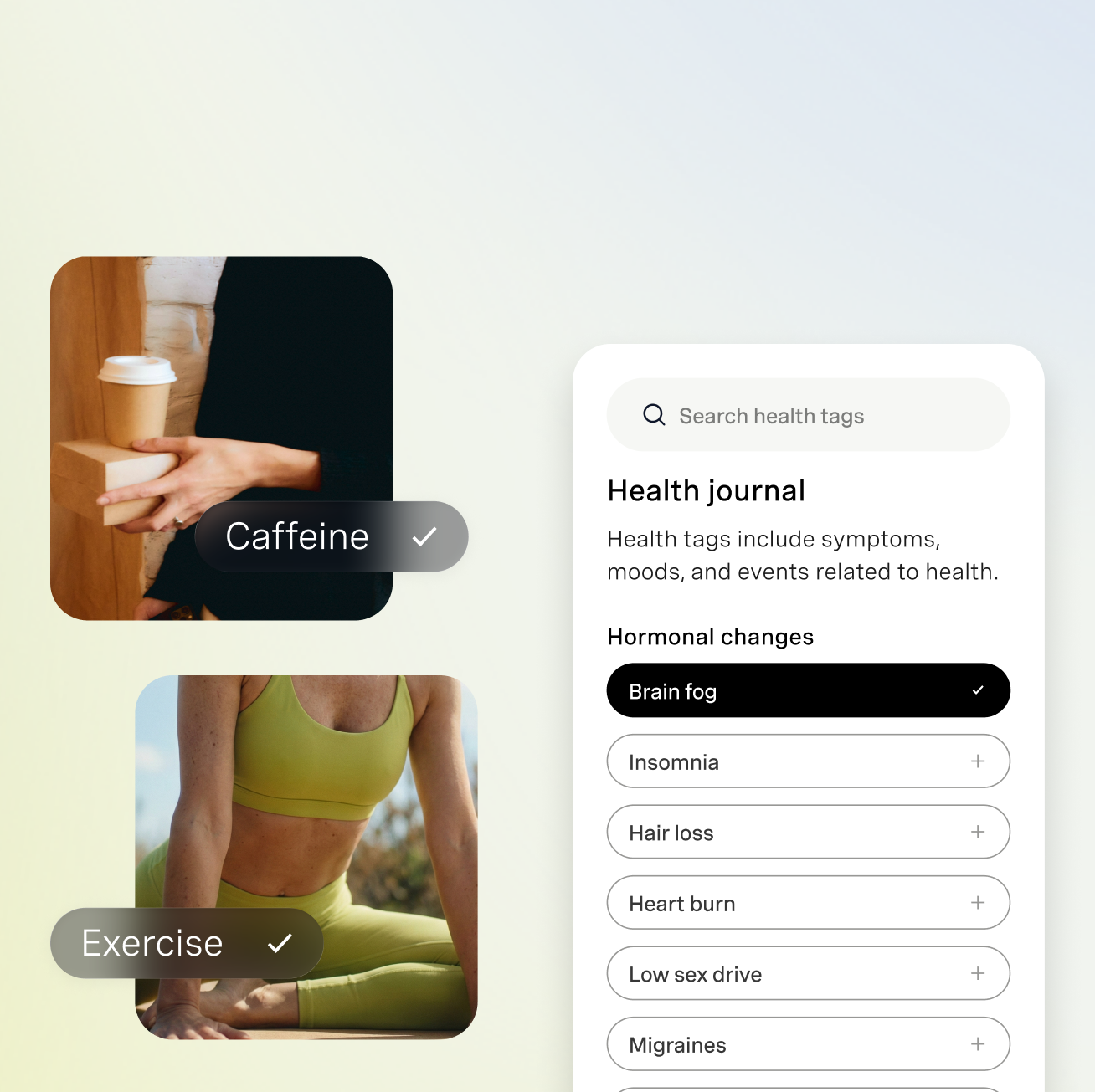
Your cortisol responds to everything—sleep, exercise, stress, food, caffeine. Without context, a score is just a number.
Log these after testing:
-
Sleep quality last night
-
Stress level today
-
Exercise type and intensity
-
Caffeine timing
-
Meals
-
Unusual events
Over time, logs reveal patterns. You'll notice evening cortisol is always high after afternoon coffee. Or morning surge is stronger after 8 hours of sleep.
Tracking your score over time
Your score updates daily based on your tests. One day's score shows your rhythm that day. Tracking over days and weeks reveals how your pattern changes.
Consistent high scores (70-90):
-
Your rhythm is stable and healthy
-
Lifestyle factors are supporting your cortisol balance
Declining scores:
-
New stressor disrupting your rhythm
-
Sleep quality dropping
-
Overtraining without recovery
-
Changes in routine affecting your pattern
Improving scores:
-
Lifestyle adjustments are working
-
Better sleep restoring morning surge
-
Stress management helping evening decline
-
Your rhythm is responding to changes
The score makes it easy to see whether your cortisol rhythm is improving, stable, or declining—without analyzing individual test results.
What to do with your score
Score consistently low (below 50)? Your rhythm needs attention. Focus on:
-
Improving sleep quality (7-9 hours, consistent schedule)
-
Managing stress (meditation, breathing exercises)
-
Reviewing caffeine timing (avoid after 2 PM)
-
Checking evening routines (screens, bright lights, stimulation)
Score moderate (50-70)? You're on the right track with room for optimization. Keep logging lifestyle factors to identify what helps or hurts.
Score consistently high (70-90)? Your rhythm is healthy. Keep tracking periodically to maintain balance, especially during high-stress periods.
Your score changes as your rhythm changes. Track it regularly to see how lifestyle adjustments move the needle.
Keep testing throughout the day. Keep logging. Your score will show what your body needs.