Key takeaways
- Cortisol measurements reflect a dynamic biological rhythm, not a static number—variations in your curve are normal and to be expected.
- Saliva-based testing measures cortisol differently than blood tests.
- Timing, collection technique, and recent activities can all influence results.
- Hormometer® is designed to reveal cortisol patterns over time, not provide diagnostic snapshots.
Understanding cortisol variability
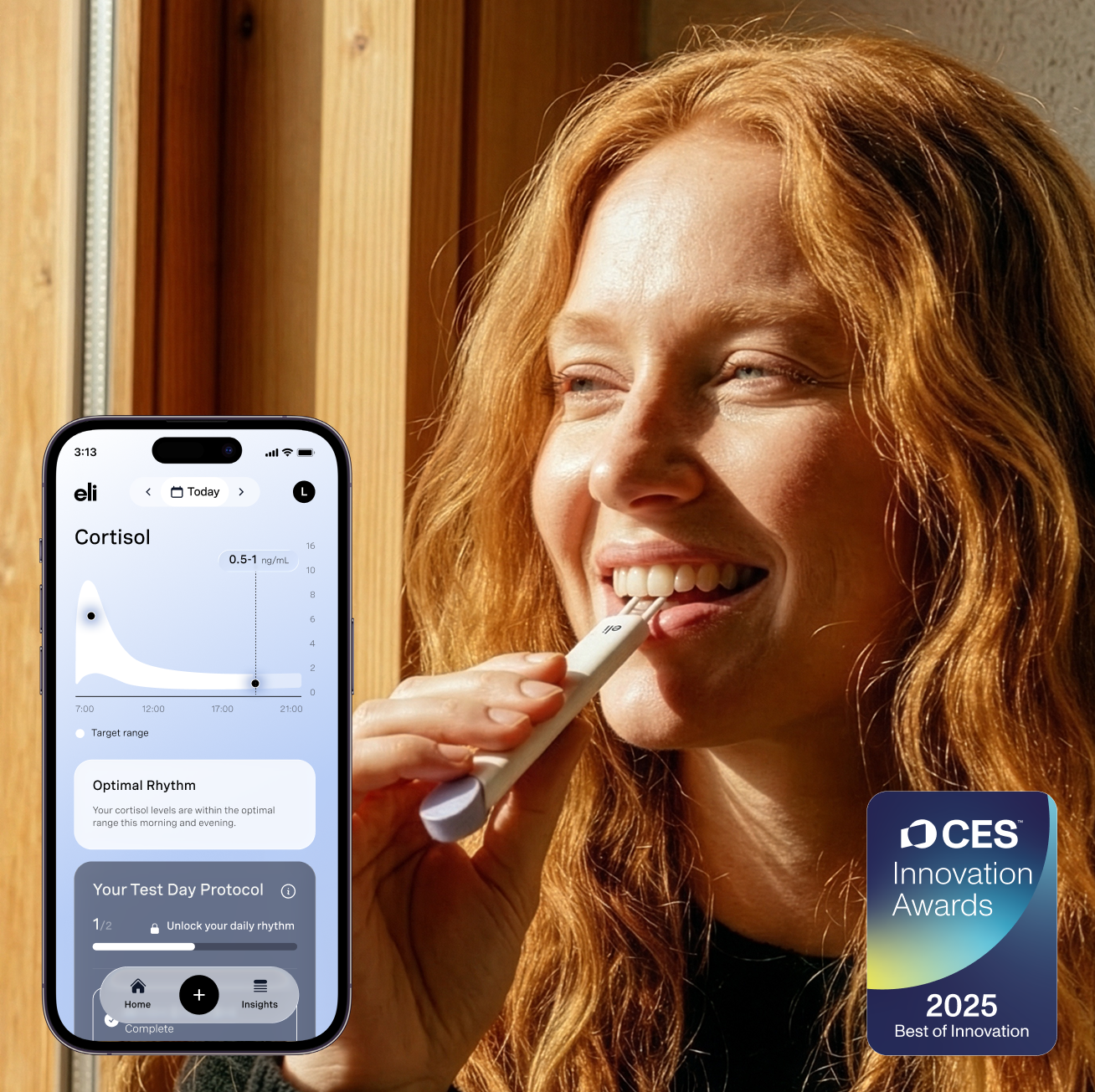
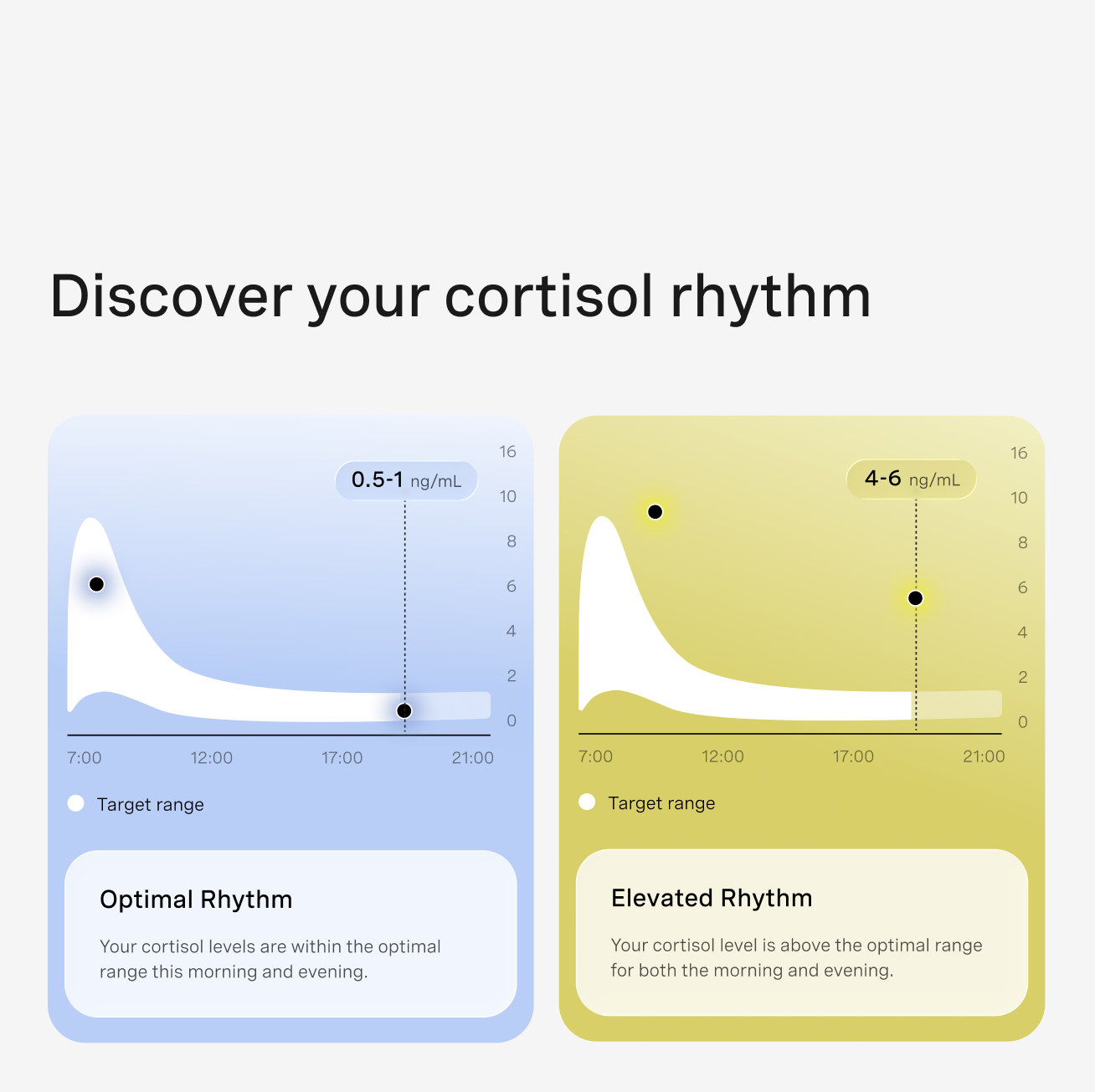
Cortisol isn't a fixed value—it's a rhythm. Unlike glucose or cholesterol, which fluctuate within relatively narrow ranges, cortisol changes substantially throughout your day. Morning levels can be five to ten times higher than evening levels in healthy individuals.1
This natural variation means that a single test never tells the whole story. What matters is the pattern: how cortisol rises in the morning to mobilize energy, how it declines through the afternoon, and how it reaches its lowest point at night to support restorative sleep.
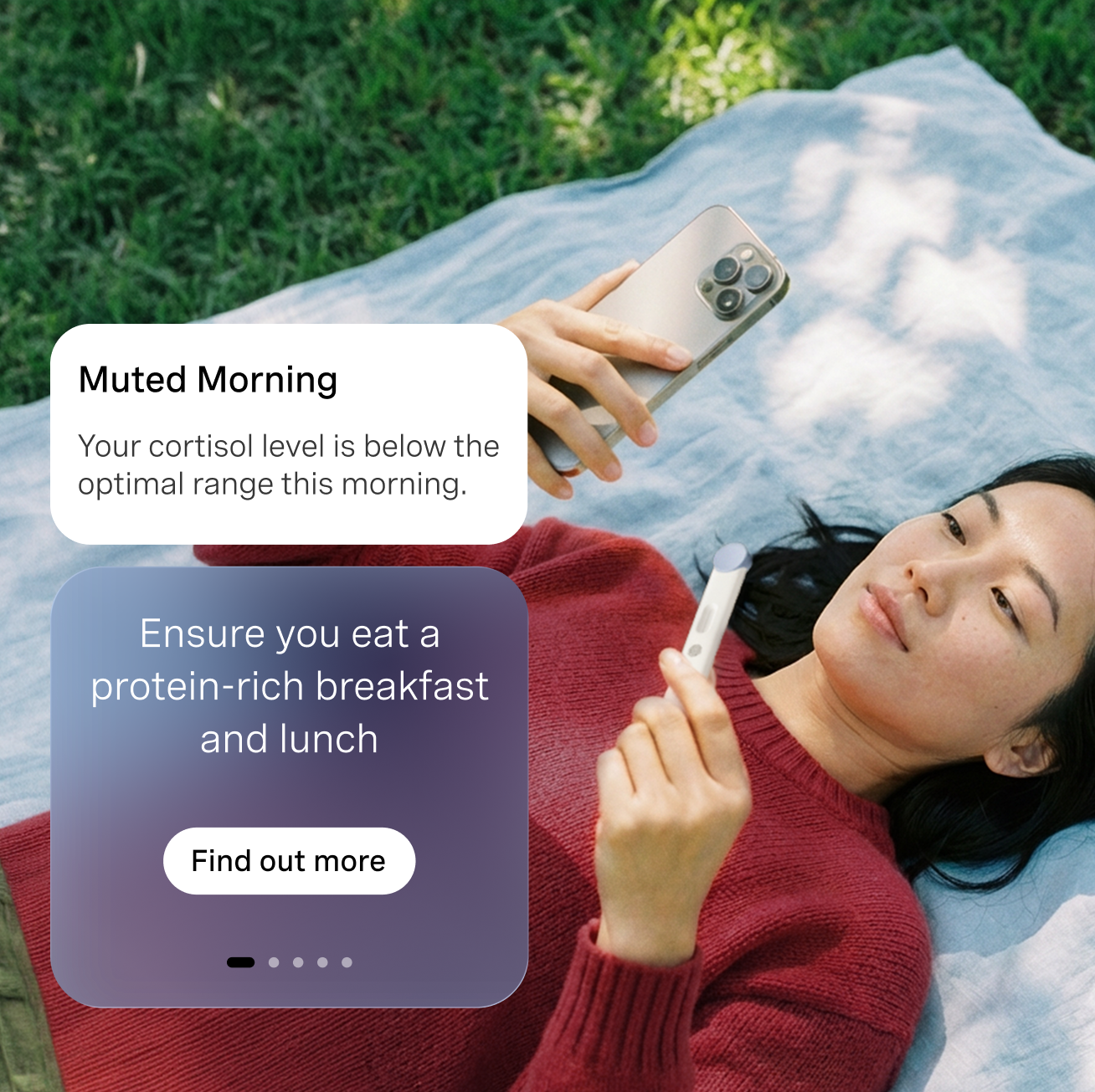
When you see a cortisol reading that surprises you, consider the context of when you're testing. For a higher-than-expected value, is your body responding to something acute—like stress, activity, or food? For a lower-than-expected value, could a poor night's sleep, or ongoing stress or fatigue be contributing factors? Learning to interpret these signals, rather than searching for a "correct" number, is how you unlock the real value of cortisol tracking.
How saliva testing differs from blood testing
What standard blood tests measure:
When a healthcare provider orders a cortisol blood test, they're typically measuring total serum cortisol—the combined amount of both free (unbound) cortisol and cortisol bound to proteins in your blood. This is the standard diagnostic test used in clinical settings to evaluate endocrine conditions.
The difference between total and free cortisol:
In your bloodstream, approximately 90–95% of cortisol is bound to proteins (primarily cortisol-binding globulin and albumin), leaving only 3–5% as free, unbound cortisol.2,3 Here's why that matters:
- Bound cortisol is inactive—it circulates in your blood but cannot enter cells or trigger biological responses.
- Free cortisol is the biologically active form—it's the only cortisol that can bind to cell receptors and drive actual physiological effects like mobilizing energy, regulating inflammation, and responding to stress.
Think of bound cortisol as "cortisol in storage" and free cortisol as "cortisol in action."
Why free cortisol matters for tracking stress:
Because free cortisol drives your body's stress response and adaptation, it's a significant signal for understanding how stress actually affects you. Saliva naturally contains only free cortisol—not the protein-bound fraction—making it a direct window into your biologically active stress hormone levels.2
This is especially valuable because total cortisol levels can be misleading. For example, someone taking certain medications may have elevated total cortisol (due to increased binding proteins) while their free cortisol—and therefore their actual stress response—remains normal.
What this means for your results:
Hormometer® measures free cortisol in saliva, while standard lab tests measure total cortisol in blood. As a result, saliva values are typically lower than blood values, often by a factor of ten or more. If you're comparing a Hormometer® reading to a blood test result, they won't match numerically—and that's expected. They're measuring different pools of the same hormone.
Common reasons for unexpected readings
1. Testing technique and saliva quality
The following factors influence your test results:
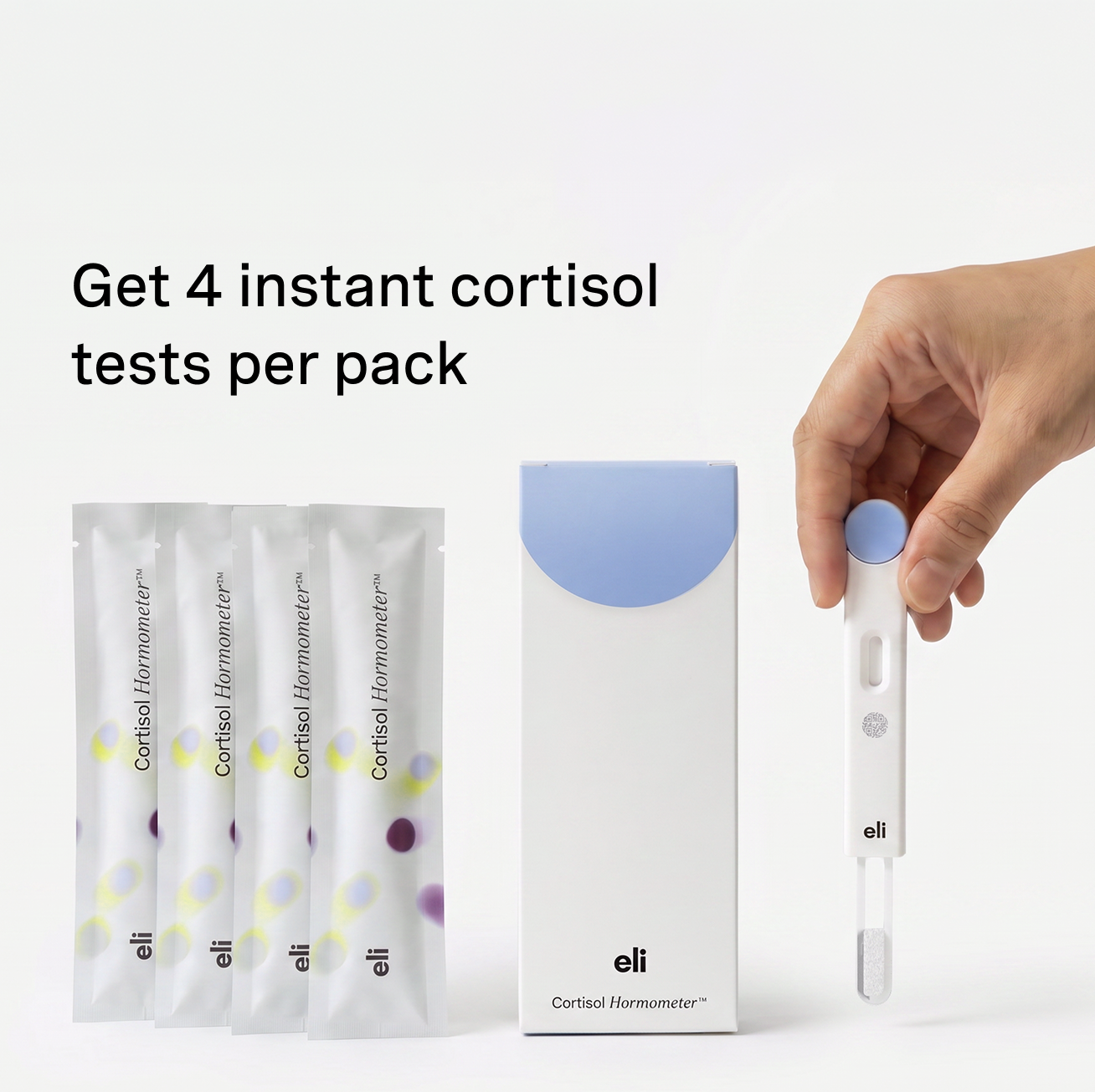
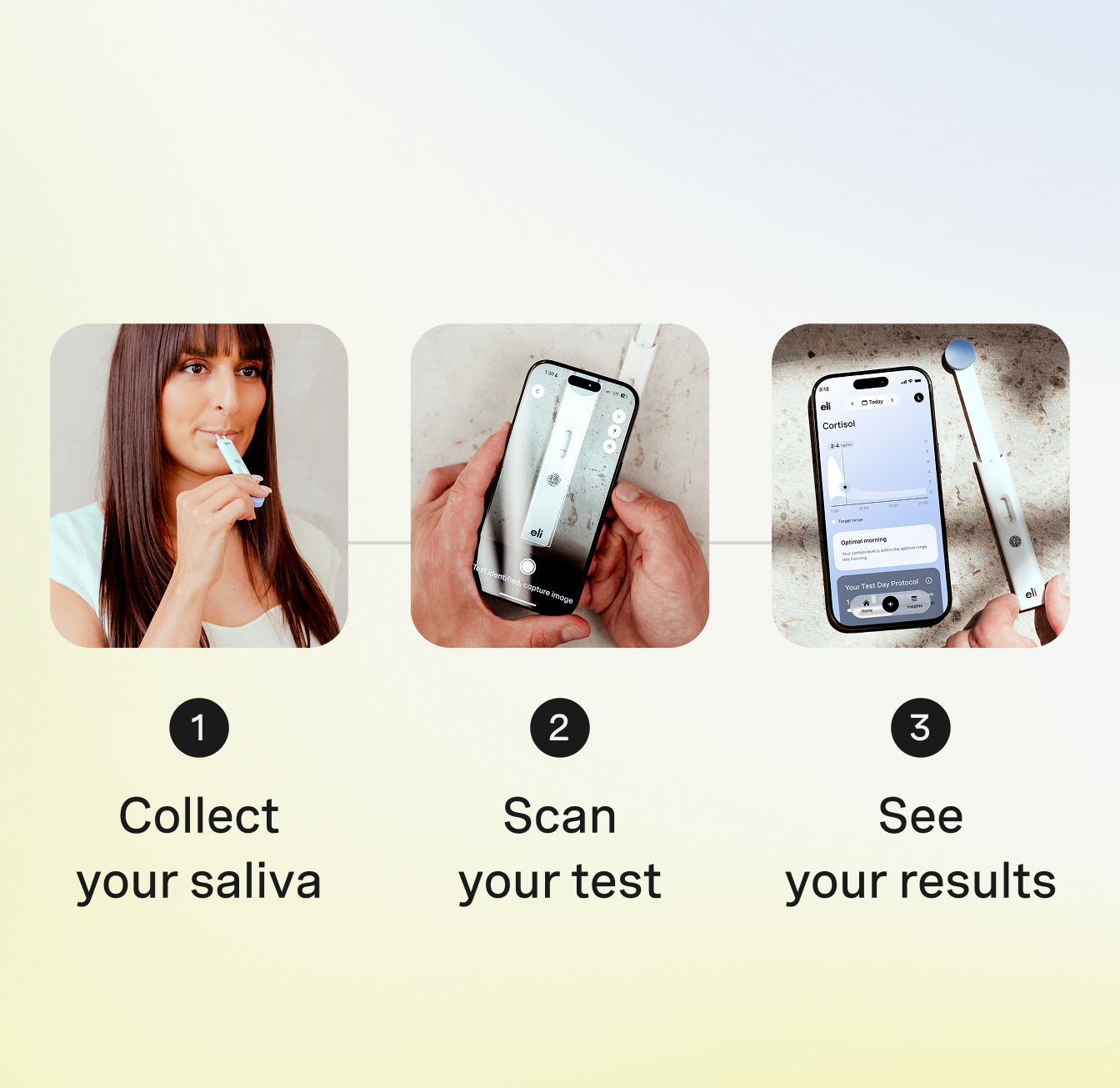
Saliva volume: The test sponge must be fully soaked. Place the test tip in your mouth for 60 seconds and generate as much saliva as possible. After collection, pull the tab firmly until the blue dot is revealed.
Test activation: Be sure to pull the test strip firmly until the blue dot is completely visible.
Dry mouth: If you experience dry mouth, sip a small amount of water before testing.
Oral care: Avoid eating, drinking (water is okay), smoking, chewing gum, or brushing your teeth 30 minutes before testing. Skip any supplements containing biotin for 24 hours before testing, as this can interfere with test chemistry.
2. Recent stress or activity
Cortisol responds rapidly to physical and psychological stress. A tense conversation, an unexpected call, a tough workout, or even the anticipation before testing can trigger a measurable cortisol rise within 10–20 minutes. If you test shortly after such events, your reading reflects that stress peak rather than your resting pattern.
For further guidance on measuring your diurnal curve, check out our When to Test article.
3. Sleep disruption and circadian misalignment
Cortisol is tightly linked to your circadian rhythm. Sleep, shift work, or jet lag can flatten, delay, or invert your cortisol curve.5 If you slept poorly, woke unusually early or late, or recently traveled across time zones, your pattern may not follow its typical curve. If you want to confirm the accuracy of your readings, be sure that:
- Your wakeup timing is accurate
- You've logged your measurements with relevant tags
- Your app has updated to the proper timezone if you're traveling
4. Medications and supplements
Many medications influence cortisol production or metabolism. Oral contraceptives, corticosteroids, antidepressants, and high doses of vitamin C can alter cortisol levels or binding proteins. If you're on routine medication and notice persistent discrepancies between how you feel and your results, consult your healthcare provider.
Important: Eli is not intended to diagnose, treat, manage, prevent, or cure any disease or medical condition, including adrenal disorders. Always consult a licensed healthcare professional for medical concerns.
5. Hormonal fluctuations in women
Cortisol interacts with estrogen and progesterone throughout the menstrual cycle. While total blood cortisol can be elevated during the luteal phase due to increased binding proteins, salivary free cortisol typically shows more subtle variation.6,7 During menstruation or perimenopause, cortisol patterns may shift. These hormonal interactions are physiological and can be helpful to consider when tracking your patterns over time.
6. Time of day and your diurnal curve
Because cortisol follows a natural curve, the time you test dramatically affects your reading. The same absolute value might be healthy in the morning but unusually high at night.
Hormometer® provides context-specific ranges. The Eli app compares your reading to population ranges for that specific time of day and builds your personal baseline.
- Morning (from waking to 60 min later): Cortisol should be at or near its daily peak, powering energy and focus.
- Midday to afternoon: Cortisol should trend down. Temporary bumps can occur with daily stressors like work calls, after-school pickups, or exercise.
- Evening (1–2 hours before bed): Most individuals reach their lowest cortisol levels, supporting relaxation and sleep.8
7. Individual variation
Every person's cortisol rhythm is unique. Athletes, shift workers, caregivers, and people with chronic stress histories may have adapted patterns that differ from textbook curves. What matters most is your trend: are your mornings consistently energized? Does your cortisol drop appropriately at night? Do you recover well after stress?
When to re-test
Consider re-testing at the appropriate time if:
- You recently ate, drank coffee, or brushed your teeth
- You forgot to skip biotin supplements
- You were unexpectedly stressed or active within 30 minutes of testing
- Your result is a single outlier in an otherwise consistent pattern
- You didn't fully soak the test sponge or pull the tab until the blue dot appeared
Eli recommends testing at least once a week. More frequent testing helps distinguish natural fluctuations from meaningful changes, and gives you deeper insights into specific triggers. For more guidance on how to test at different times, explore our full Challenges guide here.
Pay attention if:
- Morning cortisol is consistently flat or low over multiple days
- Evening cortisol remains high and sleep is disrupted
- Readings don't align with your energy, mood, or stress levels across a week
- You notice a sudden, sustained shift without obvious cause
Remember: Hormometer® helps uncover patterns to show how stress, sleep, activity, and recovery shape your cortisol curve. Assess any unexpected results within the context of your routine.
What Hormometer® reveals—and what it doesn't
Hormometer® makes invisible stressors visible, showing how cortisol rises and falls across the day, responds to challenges, and supports recovery.
What it can do: Track your diurnal rhythm, reveal how lifestyle affects your stress response, and help identify which interventions actually work.
What it can't: Hormometer® is not intended to diagnose medical conditions, replace lab testing, or definitively judge whether a single reading is "good" or "bad." Eli provides insights to support a healthy lifestyle and is intended for informational and educational purposes only—not as a substitute for medical advice.
Further troubleshooting
If you're still having unexpected readings, contact support at ask@eli.health with:
- The email associated with your account
- A clear photo of the test(s)
- What time you tested
- Whether you saw the blue dot
- Any error messages
- A screenshot of your results screen
- A short explanation of the discrepancy
Our support team is available to help troubleshoot and resolve any problems.
1 Adam EK, et al. Diurnal cortisol slopes and mental and physical health outcomes: A systematic review and meta-analysis. Psychoneuroendocrinology. 2017;83:25-41.
2 Vining RF, et al. Salivary cortisol: a better measure of adrenal cortical function than serum cortisol. Ann Clin Biochem. 1983;20(6):329-335.
3 Park J, et al. Clinical and technical aspects in free cortisol measurement. Endocrinol Metab. 2022;37(4):599-607.
4 El-Farhan N, et al. Measuring cortisol in serum, urine and saliva—are our assays good enough? Ann Clin Biochem. 2017;54(3):308-322.
5 Chellappa SL, et al. Modified cortisol circadian rhythm: The hidden toll of night-shift work. Int J Mol Sci. 2025;26(5):2090.
6 Kudielka BM, et al. Sex differences in HPA axis responses to stress: a review. Biol Psychol. 2005;69(1):113-132.
7 Kirschbaum C, et al. Impact of gender, menstrual cycle phase, and oral contraceptives on the activity of the hypothalamus-pituitary-adrenal axis. Psychosom Med. 1999;61(2):154-162.
8 Debono M, et al. Functional and clinical significance of the 24-hour rhythm of circulating glucocorticoids. Endocr Rev. 2017;38(1):3-45.