Hormone Lab
-

Do stimulants raise cortisol? Prescription and over the counter focus supplements, explained.
How your stimulant might impact your cortisol: amphetamine-class medications raised cortisol in controlled trials while the methylphenidate class mostly didn't. What research shows about ADHD medications, nicotine, and focus supplements—and how they interact with your cortisol diurnal rhythm.
-

Does caffeine raise cortisol? What coffee and energy drinks do to your daily rhythm.
Caffeine can raise cortisol, but personal tolerance, timing, and dose change that picture. What the research shows about coffee and energy drinks, and how to track your own response.
-

Can you feel high cortisol? What the research actually shows.
"Am I stressed?" is a question you can answer yourself. "What is my cortisol actually doing?" is a different question, and the research suggests you can't answer that one by how you feel.
-

It’s not just high cortisol: how four different rhythms impact sleep.
A single cortisol reading tells you very little; the relationship between your morning and evening values is what corresponds to the kind of night you're having. Here's how four cortisol rhythms map to sleep quality, and why the fix isn't the same for all of them.
-

Which type of exercise is best for your cortisol?
Low-intensity training has been associated with cortisol coming down, while hard sessions often raise it. Here's how to use both—and why when you test changes what you see.
-

Reading the shape of your day: Rhythm Comparison is now in the app
A single rhythm is a snapshot. The signal lives in the comparison — is yours improving, holding, or drifting? That only shows up when you put days side by side.
-

Can you actually shift your cortisol rhythm?
Your cortisol rhythm reflects how your body is responding right now—it's not a permanent value. Your rhythm shifts with stress, sleep, exercise, and more in both directions. Testing over time is how you see which way yours is moving, and what's helping.
-

Cortisol isn't a number. It's a rhythm.
Your cortisol only makes sense as a rhythm. That's why we built a protocol around it.
-

Signs your cortisol may be out of balance
Fatigue, mood shifts, disrupted sleep — these signs can point to cortisol running too high or too low. Here's how to tell the difference, and what to do next.
-

Saliva vs. blood cortisol tests: which one is right for you?
Blood and saliva cortisol tests both measure cortisol — but they don't measure the same thing. Learn how each method works, what each one is designed to tell you, and how to choose the right test for your goals.
-
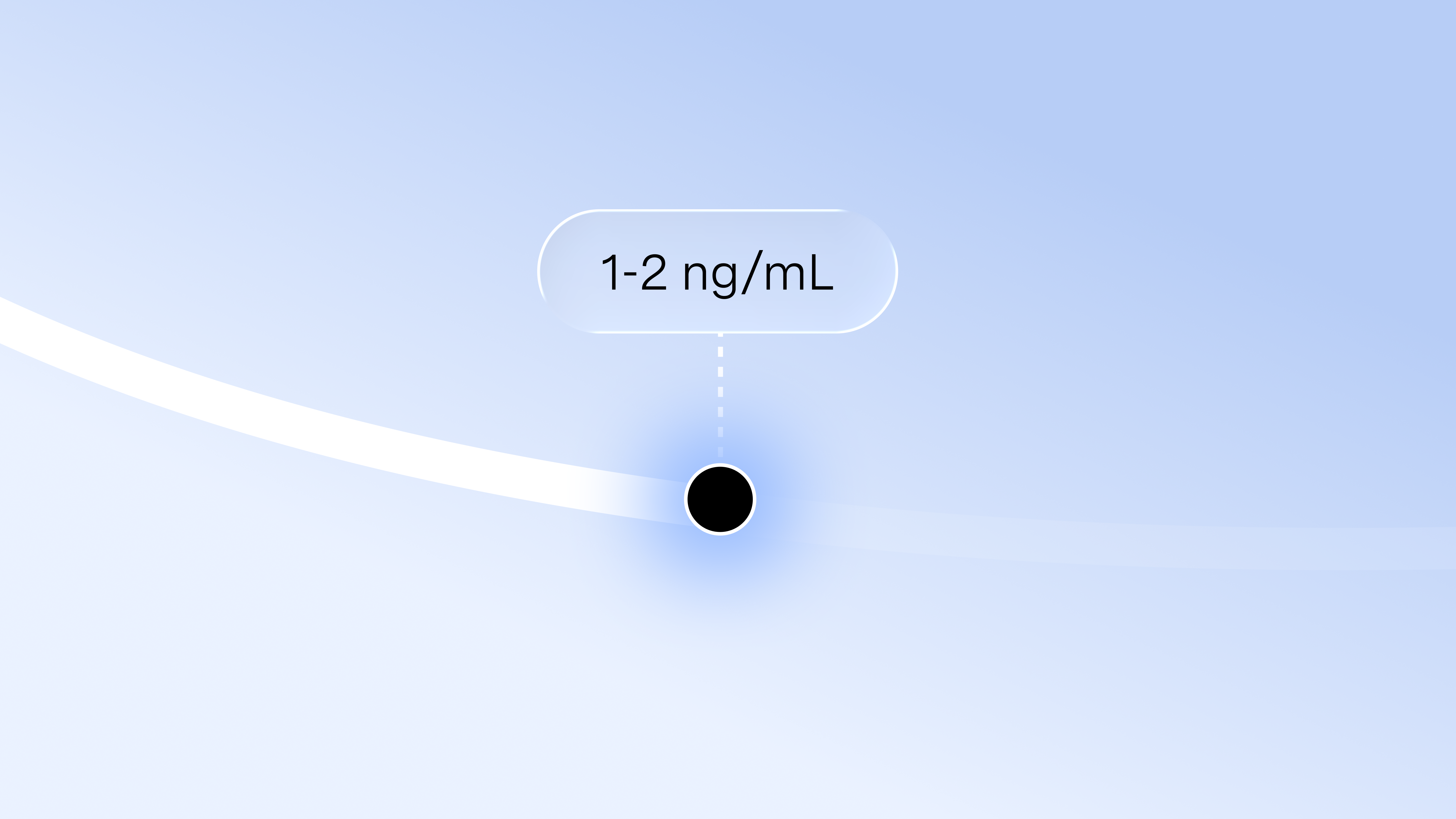
Your cortisol has a rhythm. Here's what that actually means.
Your cortisol follows a daily rhythm that impacts your sleep, energy, mood, metabolism, and more. Tracking your cortisol rhythm over time helps you identify changes in how your body manages stress across each day.
-

Why your cortisol reading might look different than expected
Cortisol isn't a fixed number—it's a rhythm that naturally fluctuates, falling gradually from morning to night. When you get an unexpected reading, it's important to consider the context around it, since factors like timing, recent stress, sleep, and collection technique all impact your results.


