Understanding evening cortisol
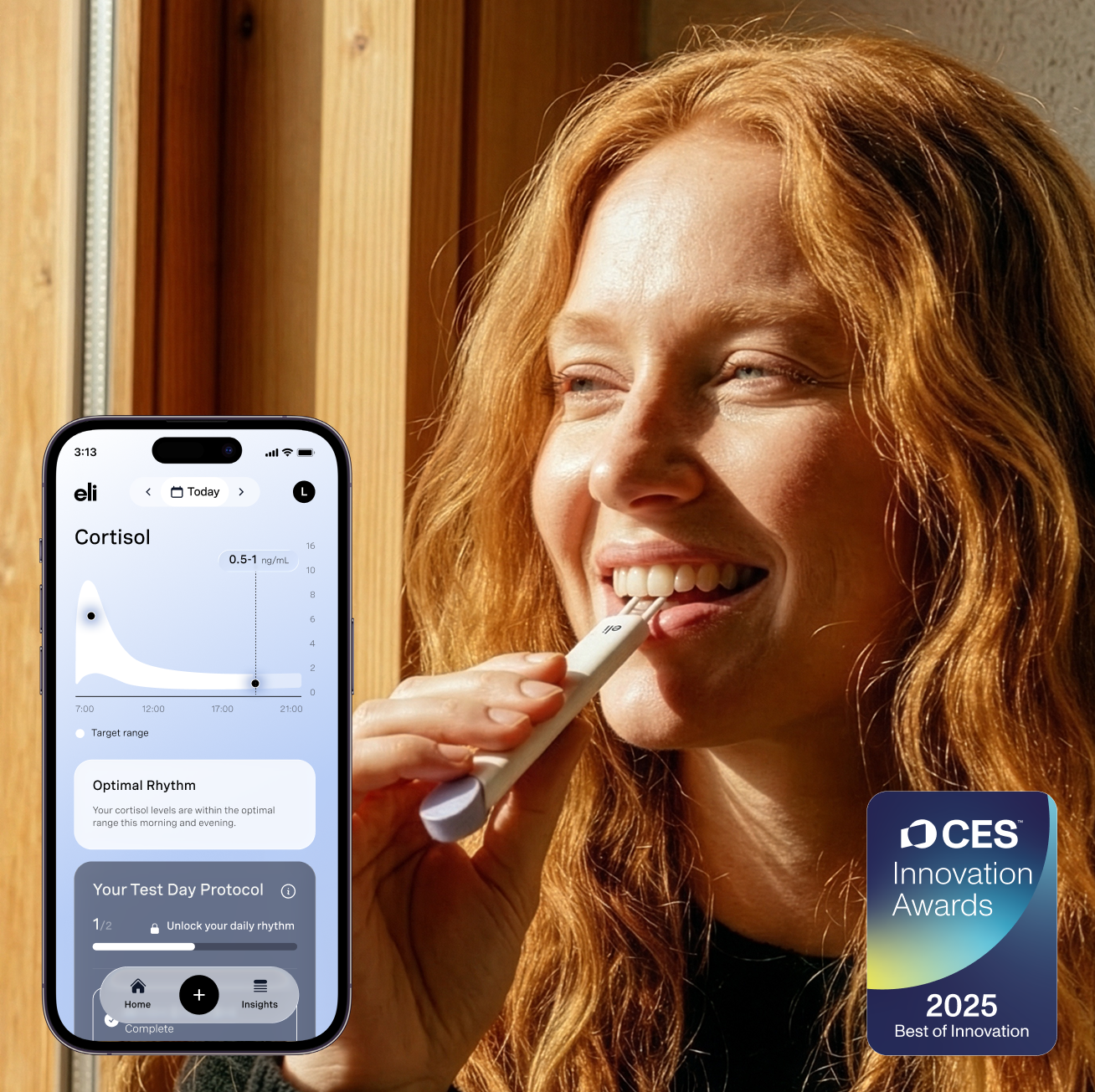
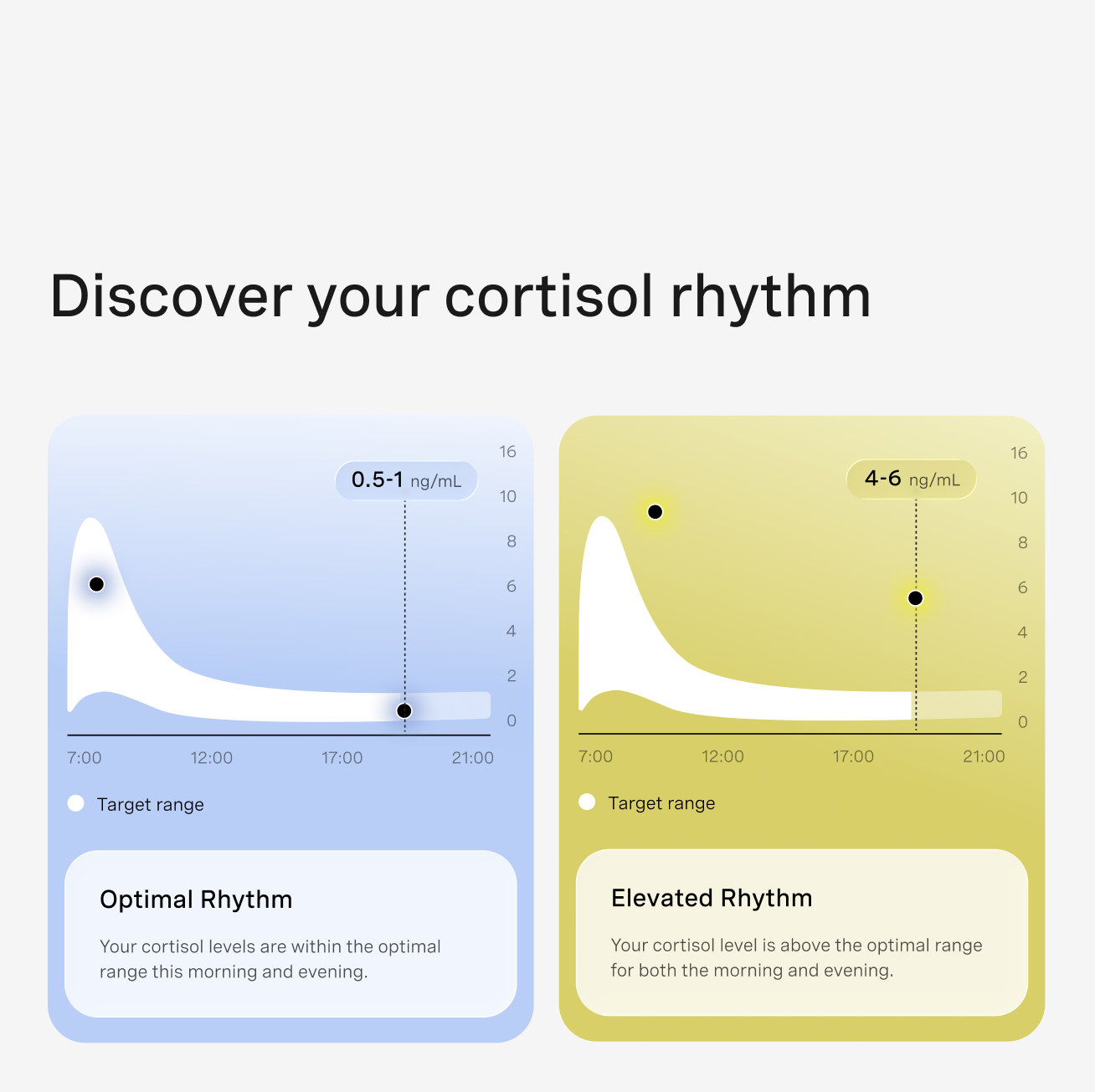
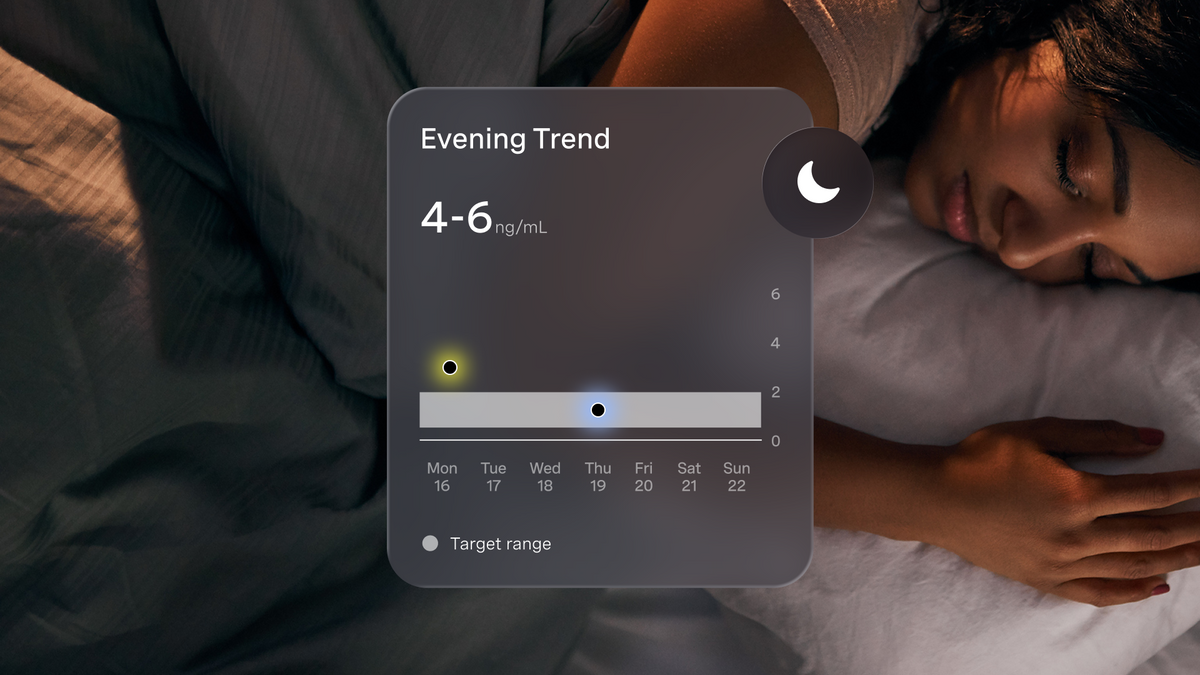
Evening cortisol should be at its lowest point of the day—typically dropping to under 1 ng/mL between 5-11 PM. This natural drop tells your body to produce melatonin and prepare for sleep.
Testing window: 5-11 PM, at least 30 minutes before your intended bedtime.
What influences evening cortisol
Your evening reading can be affected by:
-
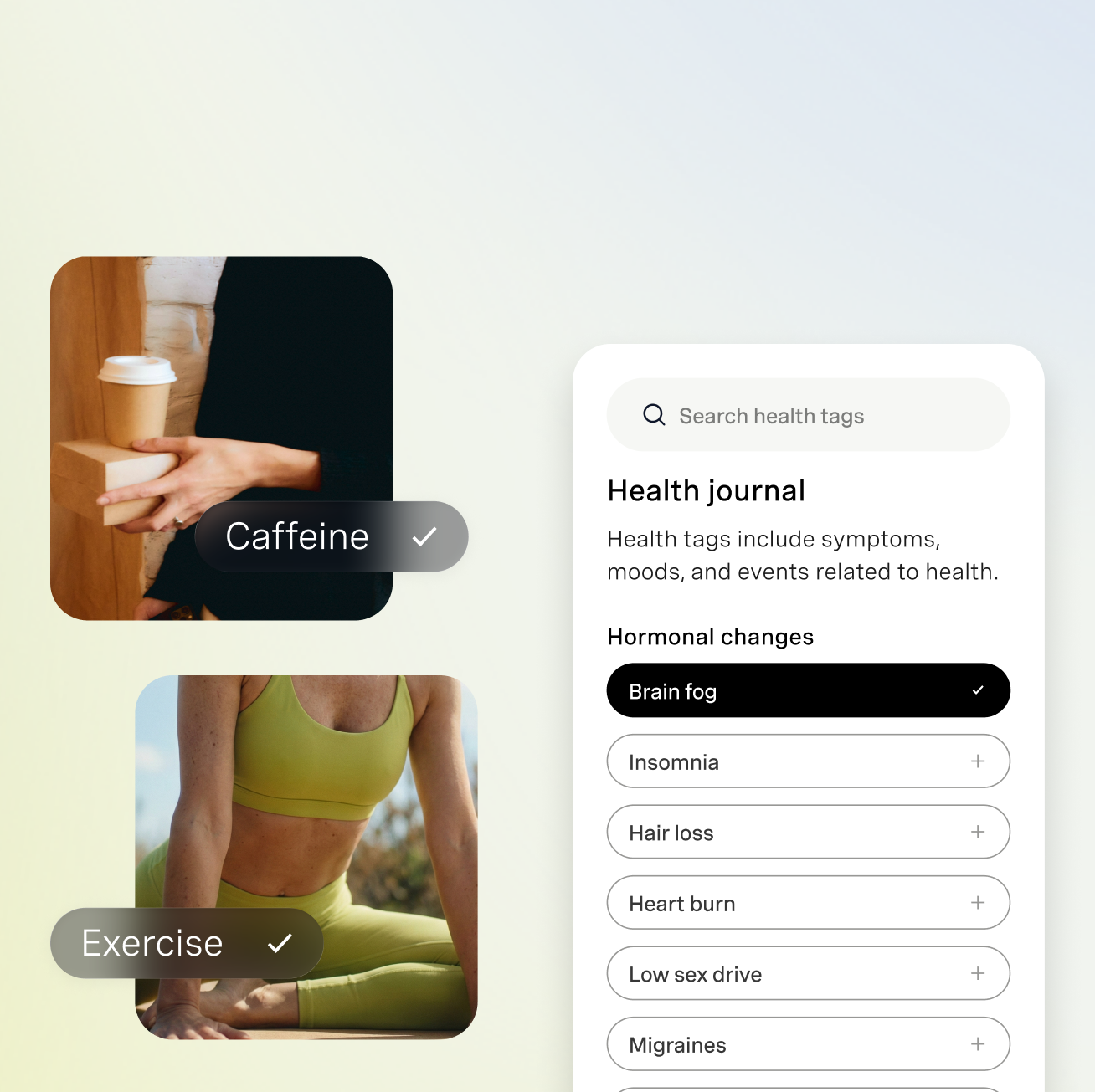
Caffeine timing: Even morning coffee can elevate evening cortisol in sensitive individuals
-
Exercise timing: Workouts after 6 PM can keep cortisol elevated
-
Screen time: Blue light exposure after 8 PM suppresses melatonin and sustains cortisol
-
Late meals: Eating after 8 PM delays cortisol drop
-
Stress rumination: Replaying the day or planning tomorrow
-
Alcohol: Disrupts sleep architecture and cortisol patterns
-
Room temperature: Sleeping in warm room (above 70°F) prevents proper cortisol decline
For accurate results: Test at the same time for 2-3 evenings to confirm the pattern.
What your evening cortisol results mean
Optimal evening cortisol (under 0.5 ng/mL)
What it suggests:
-
Diurnal rhythm completion
-
The body is biochemically ready for sleep
-
Proper melatonin production
-
Healthy HPA axis shutdown for the night
You might feel:
-
Naturally drowsy
-
Your mind quieting down
-
Your Body relaxing easily
-
Sleep onset within 15-20 minutes
What to do:
-
Maintain your evening routine—it's working well
-
Keep testing periodically during stressful periods to catch problems early
Remember: This is your ideal state—use it as your baseline to compare against during high-stress times.
Normal evening cortisol (0.5-1 ng/mL)
What it suggests:
-
Healthy evening cortisol drop
-
Good circadian rhythm
-
Body is winding down appropriately
-
Minor variations within normal range
You might feel:
-
Tired and ready for bed
-
It's easier to fall asleep on certain day
-
Rested—sleep quality is generally good
-
Occasional sleep issues related to specific stressors
What to do:
-
Optimize your wind-down routine:
-
Dim bright lights by 8:30 PM
-
No screens after 9 PM
-
Keep bedroom cool (65-68°F)
-
Maintain a consistent bedtime
-
-
Test your morning cortisol (we recommend 30 min after waking for consistency) to confirm full rhythm is healthy
-
Retest if sleep quality declines to catch elevation early
Slightly elevated evening cortisol (1-2 ng/mL)
What it suggests:
-
Cortisol not fully declining before bed
-
Mild HPA axis dysregulation
-
Sleep quality likely affected
-
Early sign of rhythm disruption
You might feel:
-
Sleep onset is delayed
-
Your mind is still somewhat active
-
Sleep needs to be "forced" with supplements or medication
-
Wake ups once or twice during night
What to do:
-
Aggressive evening wind-down protocol:
-
Stop caffeine by 12 PM (or eliminate entirely for 2 weeks to reset)
-
Move any exercise before 6 PM
-
Power down all screens by 8 PM—try reading, stretching, or breathing exercises
-
Magnesium glycinate: try 200-400mg 1 hour before bed
-
Create a cool, dark room around 65-67°F with blackout curtains
-
-
Assess evening stressors: Work emails? Difficult conversations? Planning tomorrow?
-
Retest in 2 weeks to see if interventions are working
Moderately elevated evening cortisol (2-4 ng/mL)
What it suggests:
-
Significantly disrupted diurnal rhythm
-
HPA axis not shutting down at night
-
Chronic stress or anxiety present
-
Sleep architecture is compromised
You might feel:
-
Tired but wired
-
Your mind racing before sleep
-
Very delayed sleep onset (1+ hours)
-
Wake ups between 2-4 AM
-
Poor sleep quality, despite 7-8 hours in bed
What to do:
-
Eliminate all caffeine for 4 weeks minimum
-
No screens after 7 PM: focus on relaxing and try a 90-minute wind down before bed
-
Try therapy, counseling, or behavior support to address chronic stress
-
Add bright light exposure in the morning and consider short-term sleep support for the evenings
-
Test morning cortisol (within 60 min of waking) to see if you have inverted curve (low morning, high evening)
-
Retest in 3-4 weeks and consult a doctor if no improvement occurs
High evening cortisol (4-8 ng/mL)
What it suggests:
-
Severely disrupted circadian rhythm
-
Possible inverted curve or flat curve
-
Chronic HPA axis dysregulation
-
Significant health risk if sustained
You might feel:
-
Completely unable to fall asleep naturally
-
Most alert and energized at night
-
Exhausted all day
-
Severe sleep deprivation accumulating
-
Mood and cognitive issues
What to do:
Consult an endocrinologist—This level of disruption requires medical support. They may recommend the following tests, assessments, or interventions:
-
Comprehensive hormone testing, including thyroid, sex hormones, and mapping your full cortisol curve.
-
A sleep study to rule out sleep apnea or other sleep disorders
-
Elimination of all stimulants, and potentially short-term medication to support sleep
-
A strict light-dark cycle: bright light in morning, complete darkness at night
-
A mental health assessment: chronic anxiety or PTSD can cause this pattern
Do not try to manage this alone—professional help is essential
Very high evening cortisol (above 8 ng/mL)
What it suggests:
-
Extreme HPA axis dysregulation
-
Possible Cushing's syndrome (rare but serious)
-
Complete loss of circadian rhythm
-
Medical emergency if sustained
You might feel:
-
Extremely energized at night despite exhaustion
-
It's impossible to sleep without strong medication
-
Physical symptoms such as heart palpitations, anxiety, sweating
-
Severe mood disturbances
-
Weight gain, especially around midsection
What to do:
-
See an endocrinologist immediately for urgent testing
-
They may order tests such as late-night salivary cortisol (medical standard), 24-hour urinary free cortisol, and dexamethasone suppression
-
Work with your physician to rule out Cushing's syndrome
-
-
Document all symptoms: Write down everything—sleep, mood, weight changes, physical symptoms
-
Do not delay—sustained cortisol this high causes serious health damage
Do not try to manage this alone with lifestyle changes—it requires medical diagnosis and treatment.
Bottom Line: Your evening cortisol is an extremely strong signal of sleep quality. Under 1 ng/mL = biochemically ready for sleep. Above 2 ng/mL = fighting your biology. Fix your evening cortisol, fix your sleep.