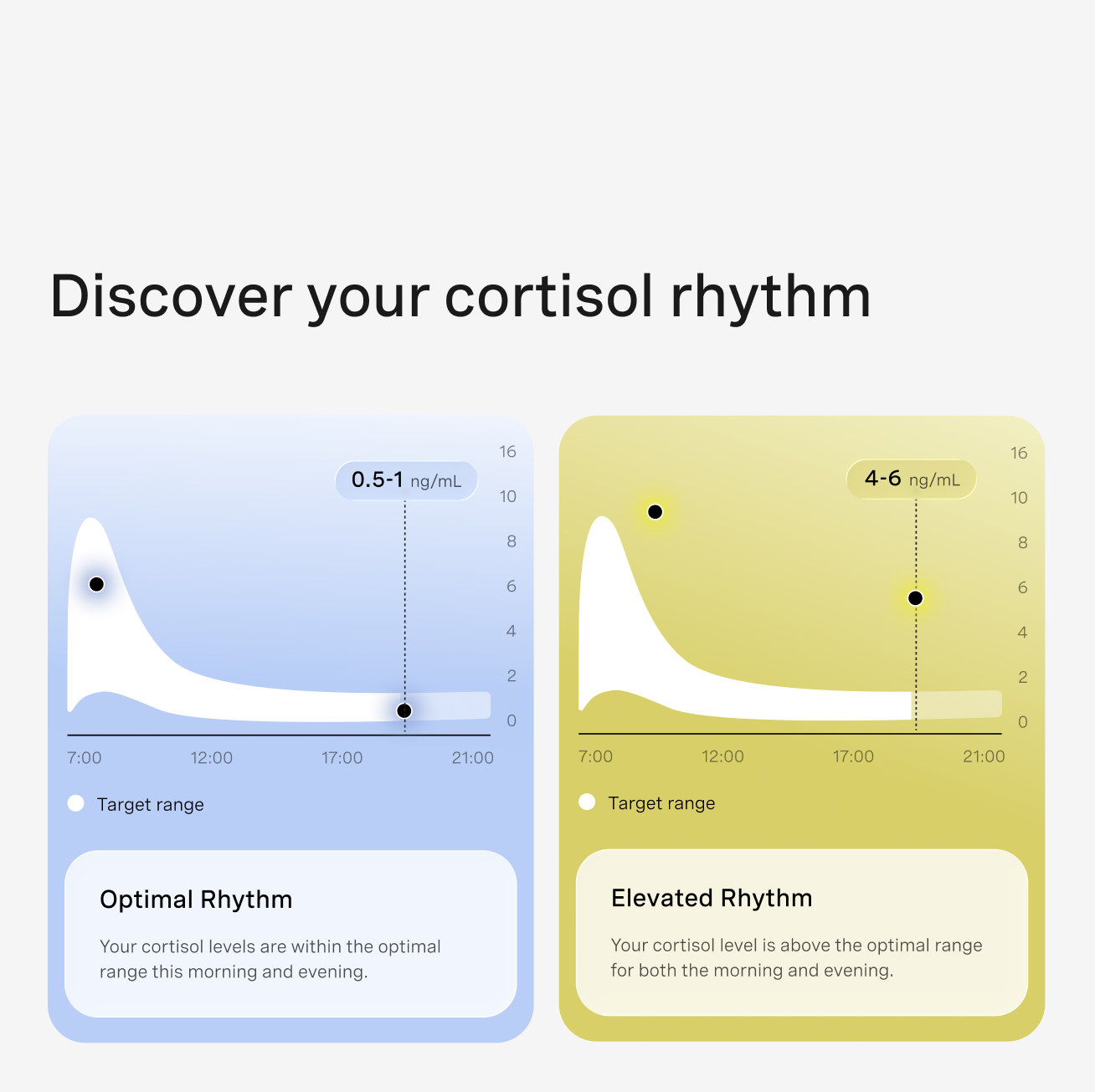
Most people test their cortisol once and think it’s enough. They see a number, compare it to a range, and move on. Not because they're not curious, but because there's no obvious next step. What they don't know is that a single measurement is the least useful way to understand cortisol. Here's why, and what four rhythms can tell you instead.
Why one cortisol test misses the point
Cortisol isn’t static. It follows a diurnal curve: high in the morning to get you moving and low in the evening to let you wind down. That curve is different for every person, and it shifts depending on sleep, stress, exercise, and dozens of other factors.
When you test once, you capture a single point on that curve. You have no way of knowing if this value represents a stress spike, a crash after a bad night, or just where you happened to land that morning. You have a data point, not a pattern.
Regular cortisol testing creates that pattern.
What a diurnal rhythm captures
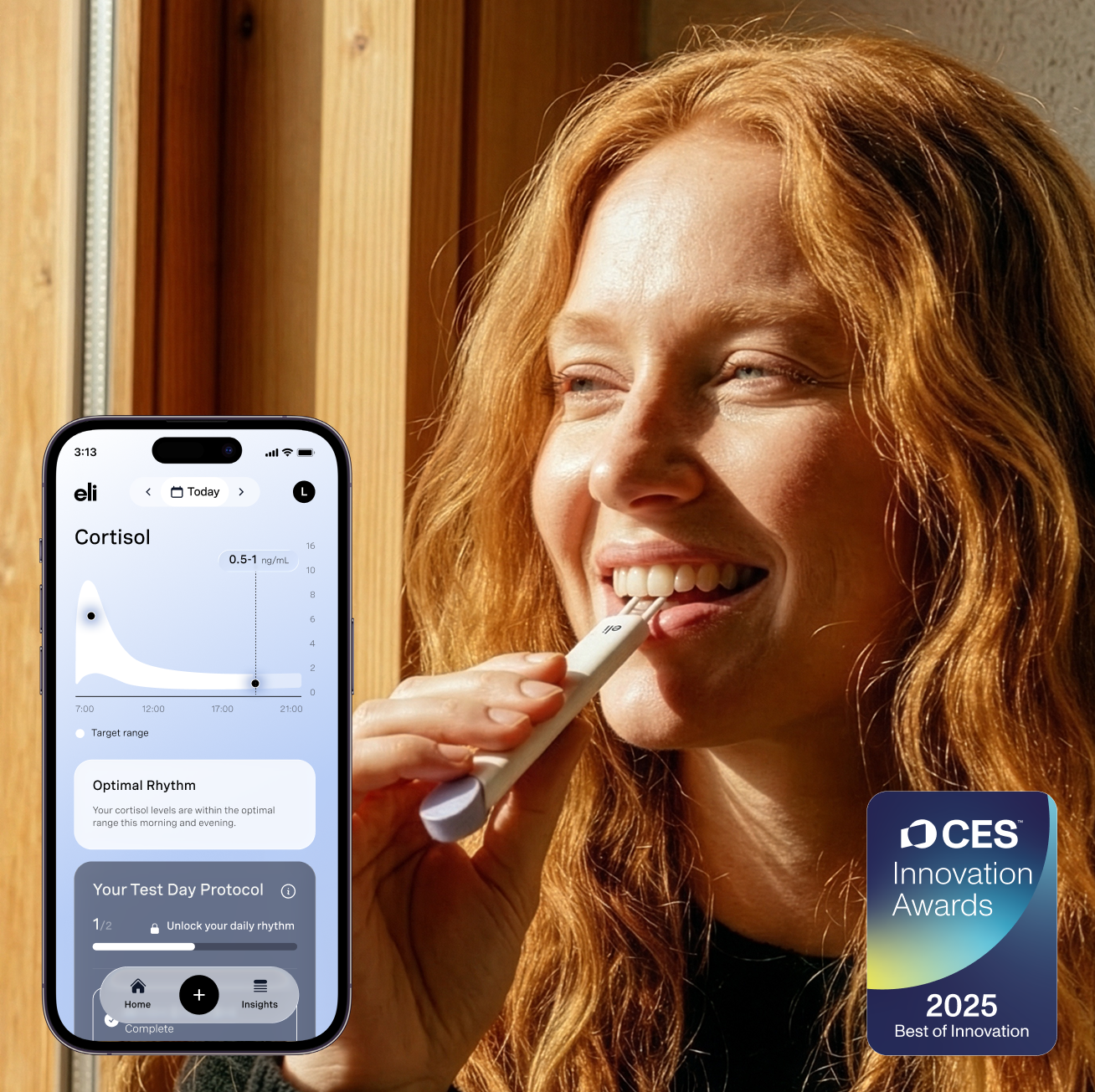
A diurnal rhythm is two measurements taken in the same day: one in the morning, one in the evening. Together, they map the arc of your cortisol across a full day, which looks like a hill sloping downwards.
While one rhythm shows you that slope, one day isn’t enough to see how your stress response is functioning over time. A hard work week, a poor night of sleep, or a disrupted morning can easily shift your cortisol rhythm. One test simply doesn’t have the capacity to capture it.
Why you need four rhythms, not one
When you measure your diurnal rhythm across four days, spaced at least three days apart, it averages out day-to-day noise. What remains is a signal: your actual underlying cortisol rhythm, not a snapshot of one particular day.
There's also a sequencing logic to it. The first rhythm establishes a reference point. The second confirms whether it holds. The third sharpens the picture by ruling out variation from lifestyle factors. The fourth reveals whether the pattern is consistent enough to draw meaningful conclusions.
By the end, you're not looking at data points. You're looking at how your body actually runs.
What each phase of the Foundational Protocol reveals
This 10-day sequence has four phases to establish your cortisol baseline.
-
Capture Rhythm · Day 1
Your starting point. The first morning and evening readings create a curve for you to build from. This is the measurement everything else gets compared to. -
Confirm Rhythm · Day 4
Does your Day 1 pattern hold? The second rhythm confirms whether what you captured was representative, or whether your cortisol is more variable than it appeared. -
Sharpen Rhythm · Day 7
With two consistent rhythms in, Day 7 narrows the range. Outliers become visible. Your typical cortisol curve becomes clearer. -
Reveal Rhythm · Day 10
The fourth rhythm completes the picture. At this point, the data has enough depth to generate your Stress Status: a personalized read of how your cortisol is actually behaving.

What Stress Status tells you that one test never could
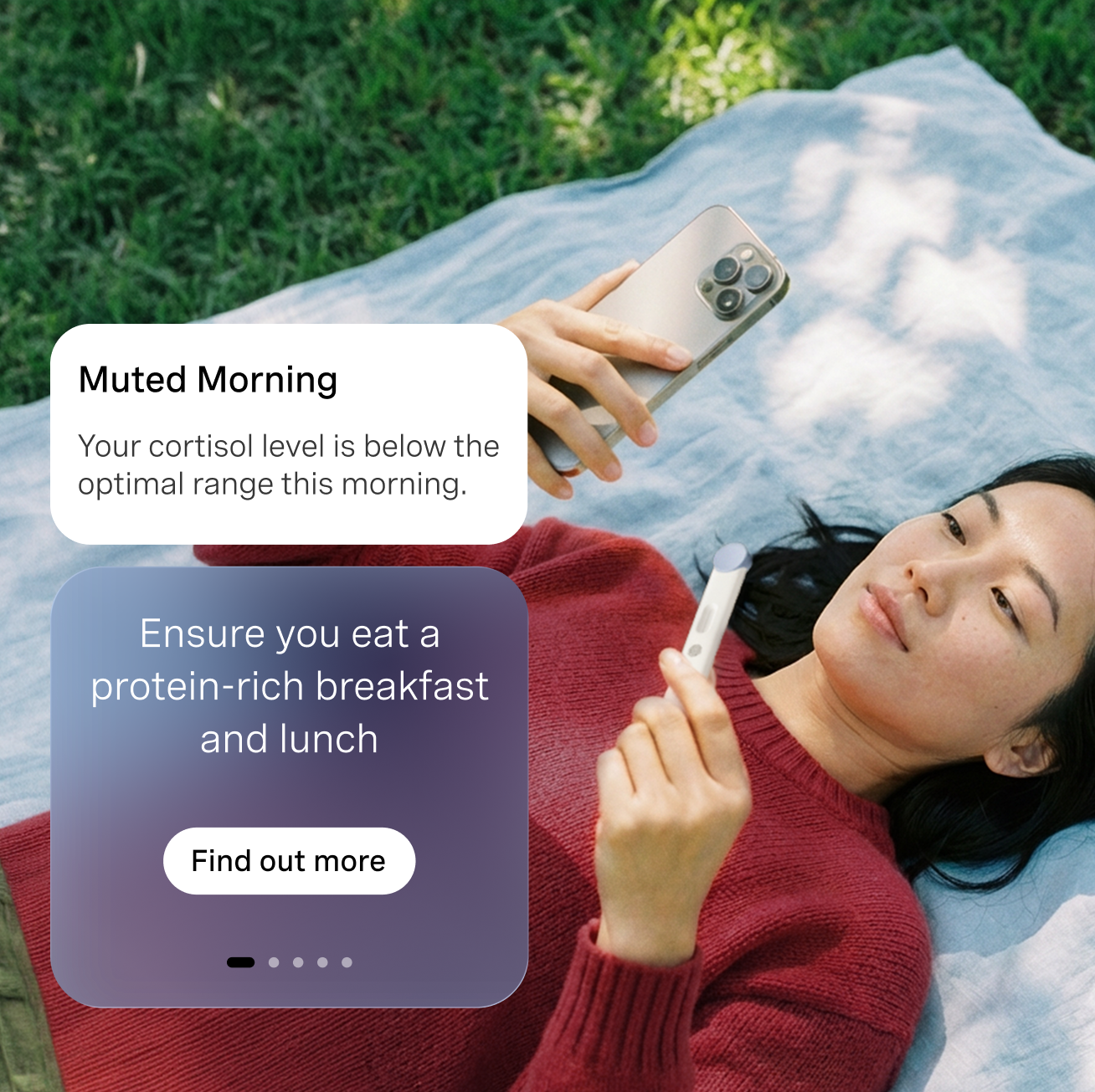
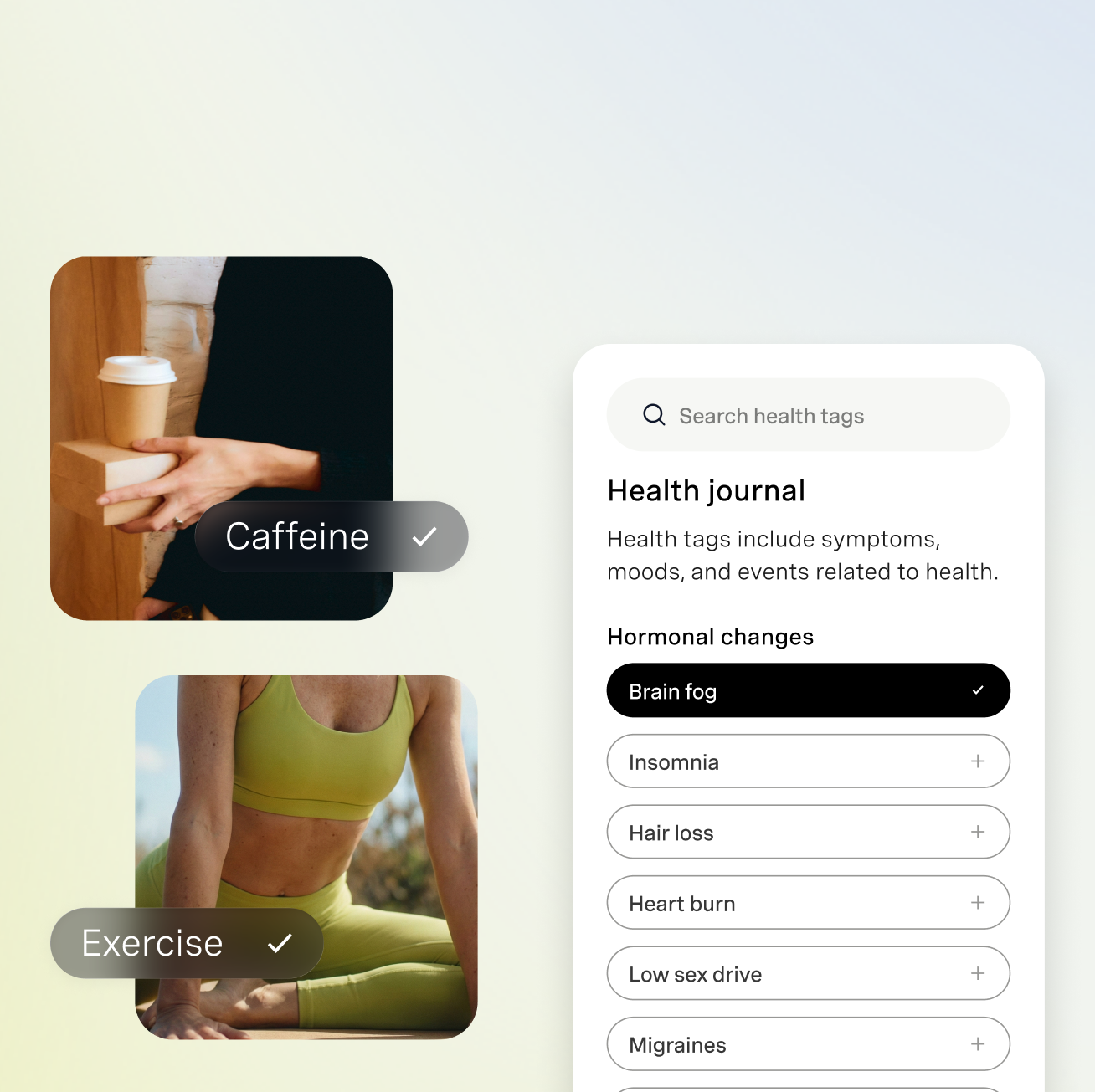
Stress Status places your cortisol pattern into one of five categories: Balanced, Strained, Depleted, Activated, or Overextended. Each category reflects not just where your levels sit, but how they move. The shape of your curve, its consistency, and its relationship to how you actually feel in the morning and in the evening.
A single test can tell you your cortisol was 1 ng/mL at 8am on a Tuesday. Four rhythms can tell you whether your body is running efficiently, signalling chronic stress that hasn't surfaced yet, or recovering from overextension. This gives you a basis for actually doing something about it.
That's the difference between a number and a pattern.
Learn more about Stress Status →

The protocol does the guiding
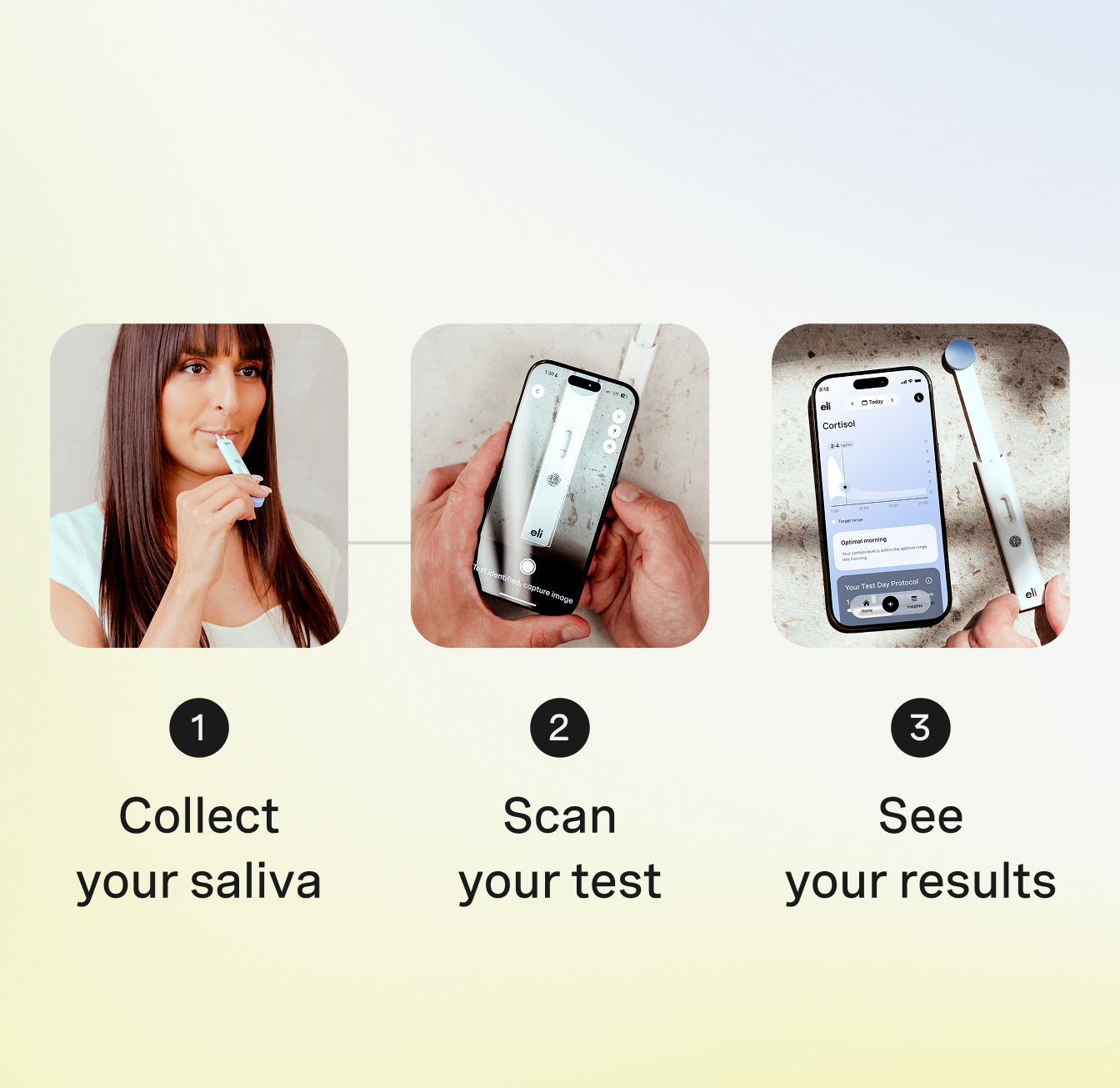
The Foundational Protocol is built into the Eli app. Once you start, the app schedules your testing windows, sends you timed notifications, and tracks your progress through each phase. You don't need to figure out how often to measure—you just show up, test, and let the rhythm build.