Cortisol isn’t just another hormone.
It’s your body's lead biomarker for stress and recovery. Tracking it tells you whether you’re building fitness, maintaining it, or breaking it down.
Cortisol is your recovery fingerprint
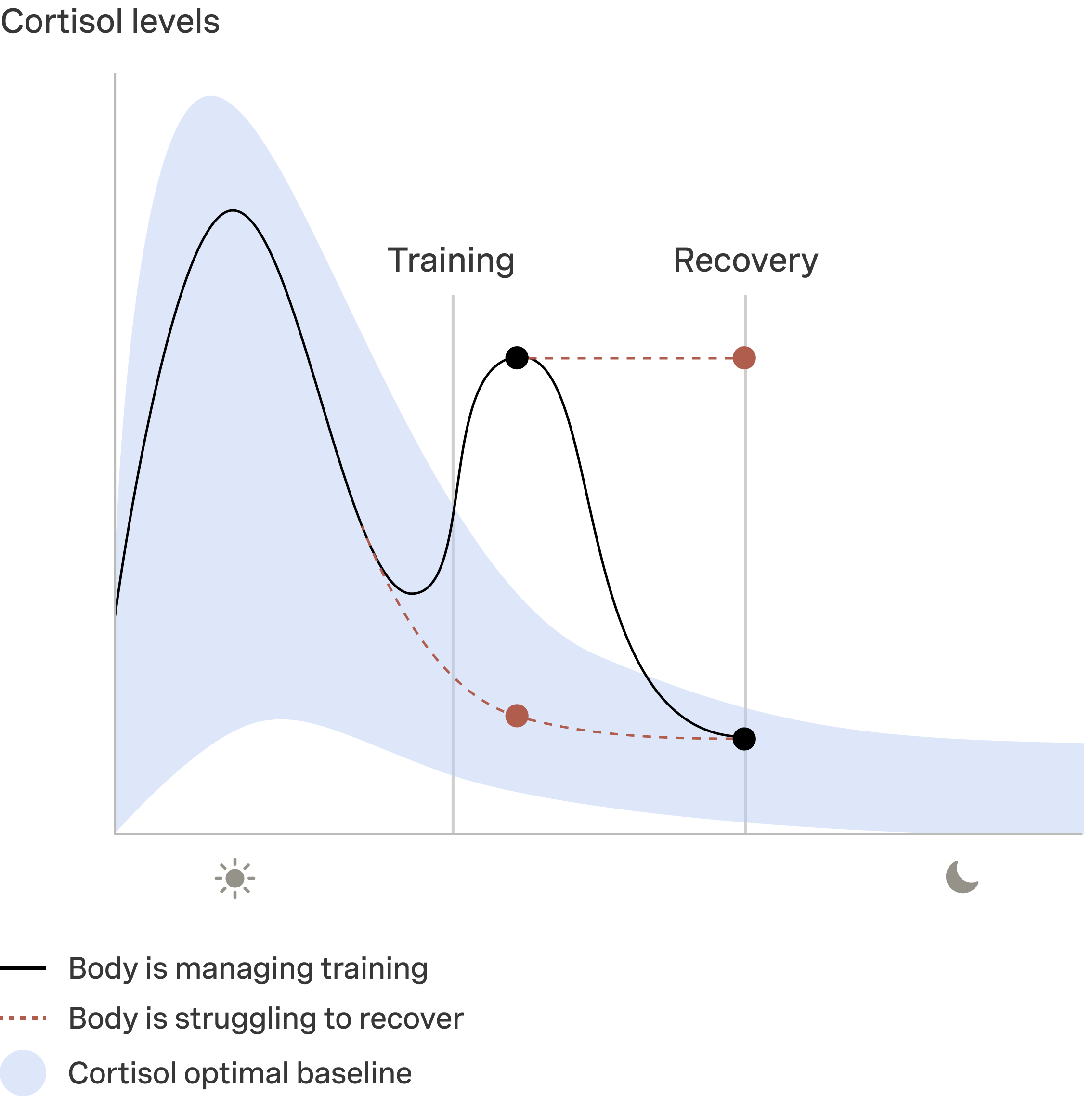
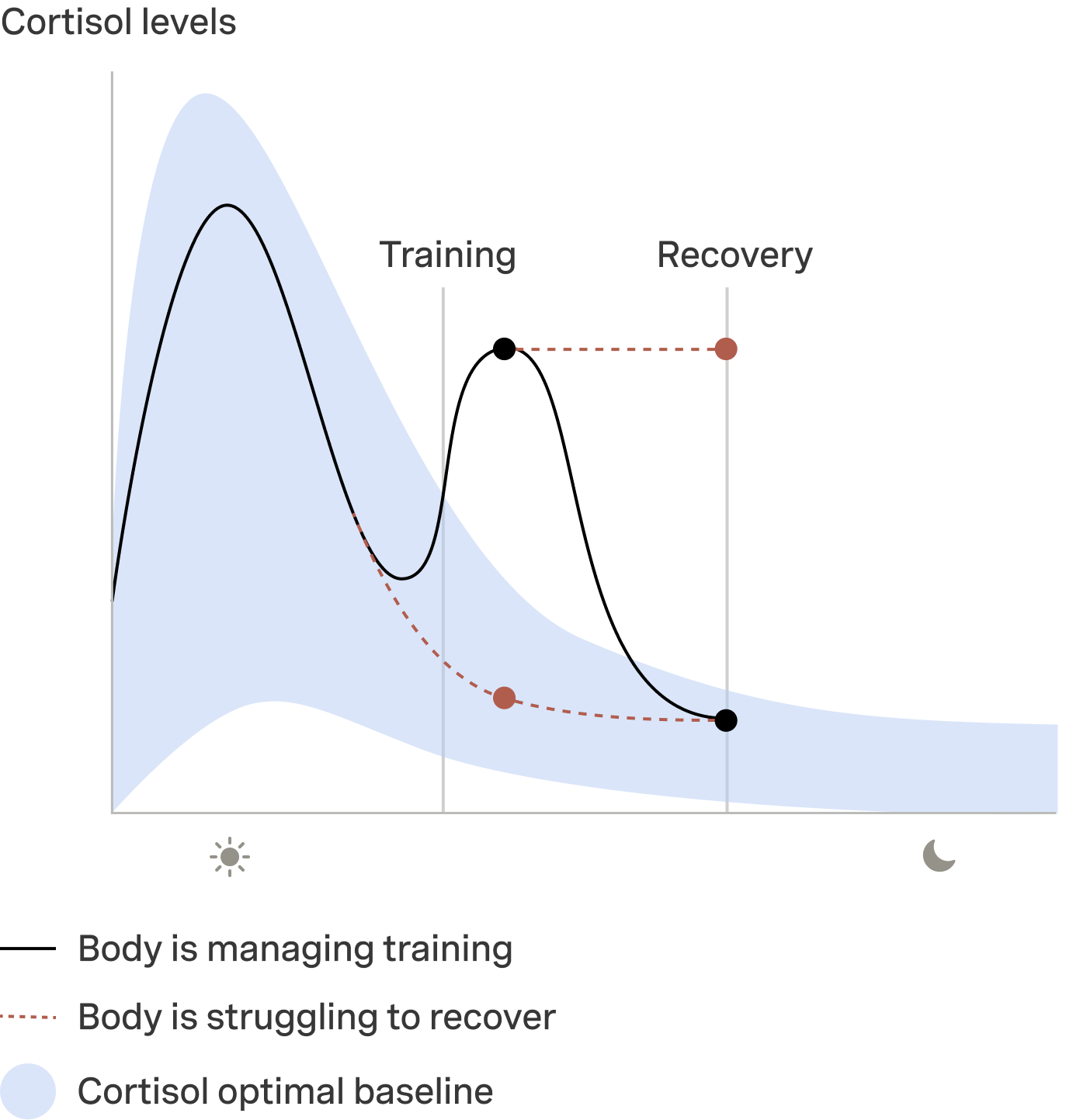
After you train, it triggers your cortisol response. That's your body doing its job, restoring energy, managing inflammation, and supporting recovery.
But in athletes who push too hard without adequate recovery, that response starts to blunt. When cortisol can't rise after training, it's a signal your body has stopped being able to absorb the work you're putting in.
This is what cortisol disruption can feel like
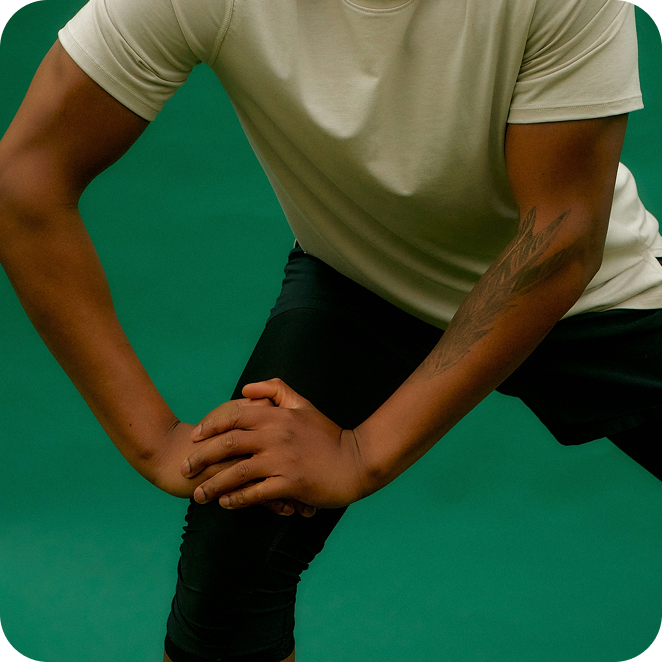
Heavy, tired legs
Cortisol that stays elevated after hard sessions keeps your body in a breakdown state. You're not recovered —you're just pushing through.
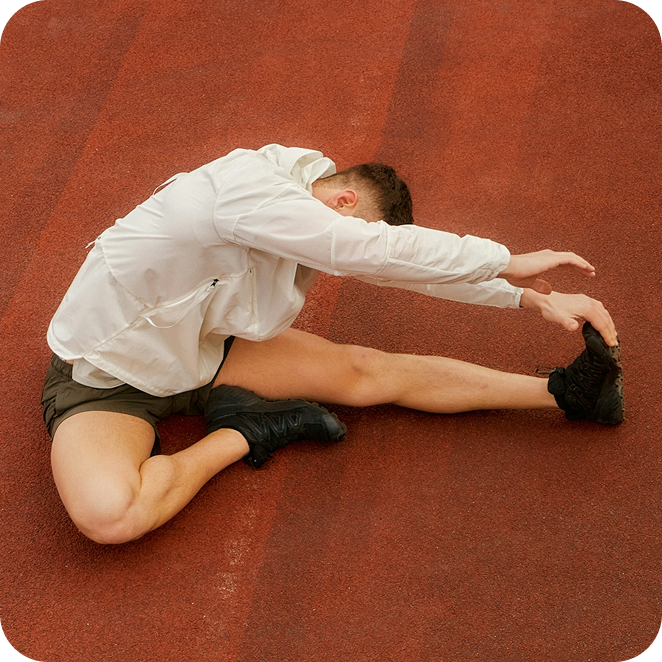
Flat warmups
Blunted morning cortisol (no morning spike) means your body isn’t primed for effort. Consistently low morning cortisol signals depletion.
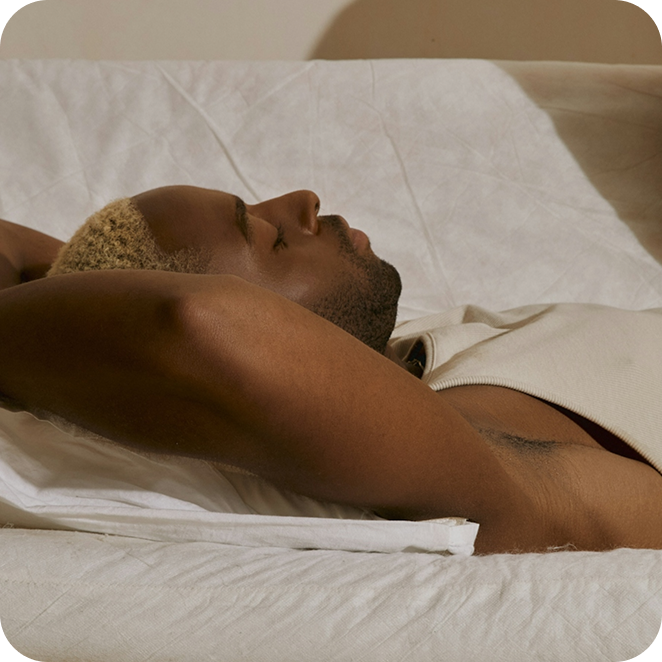
Exhausted despite sleeping
Elevated evening cortisol disrupts your sleep cycle. Even though you’re in bed, you’re likely not achieving the restorative sleep your body needs.
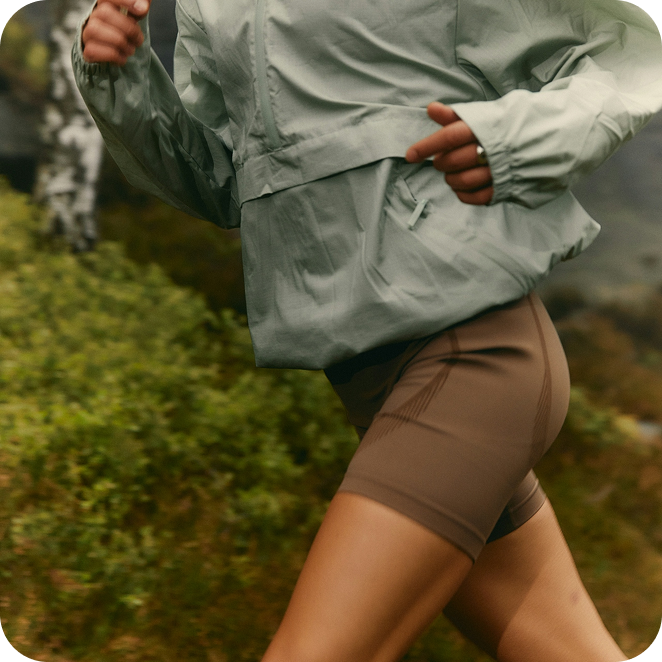
Fighting the plateau
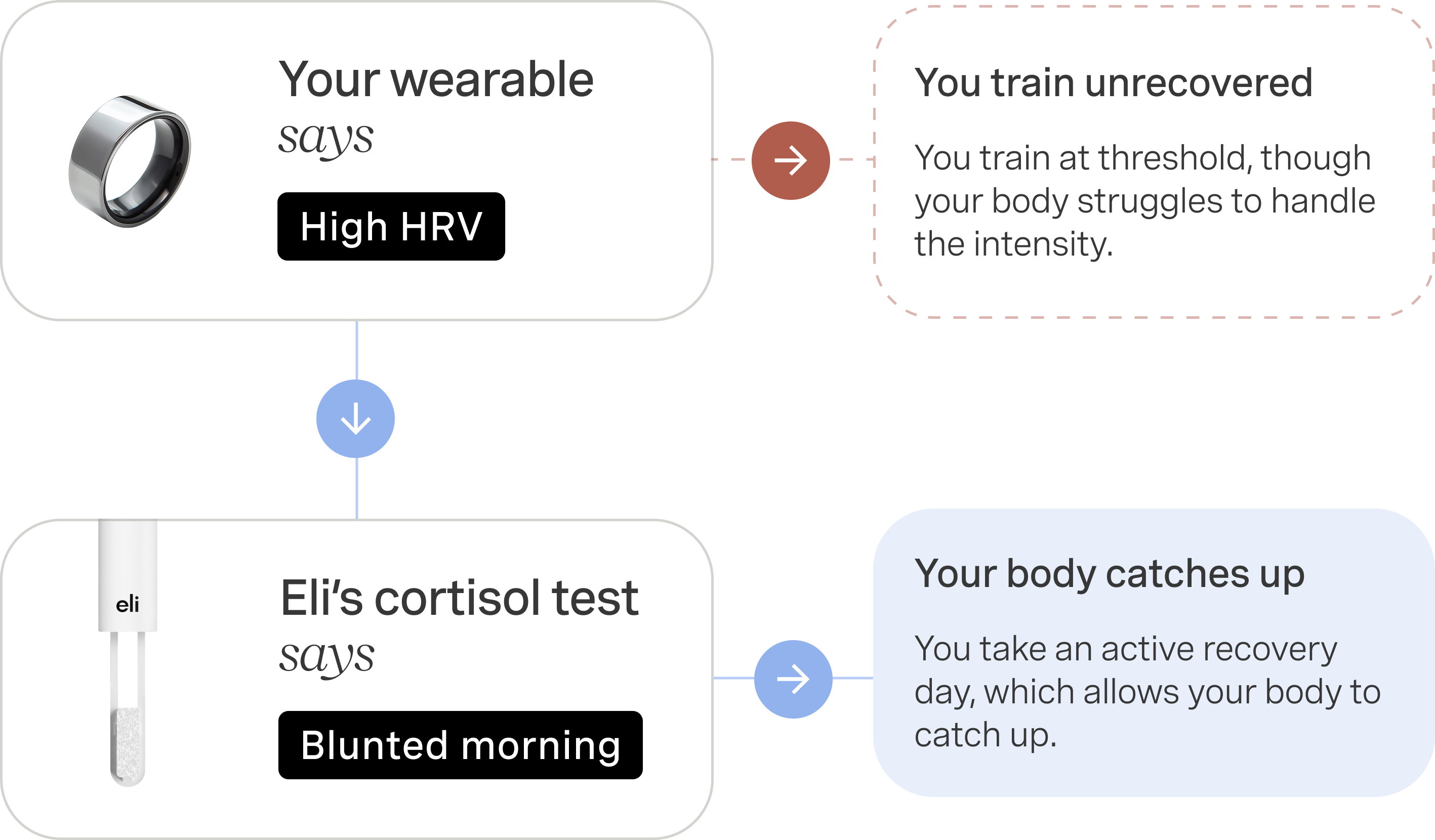
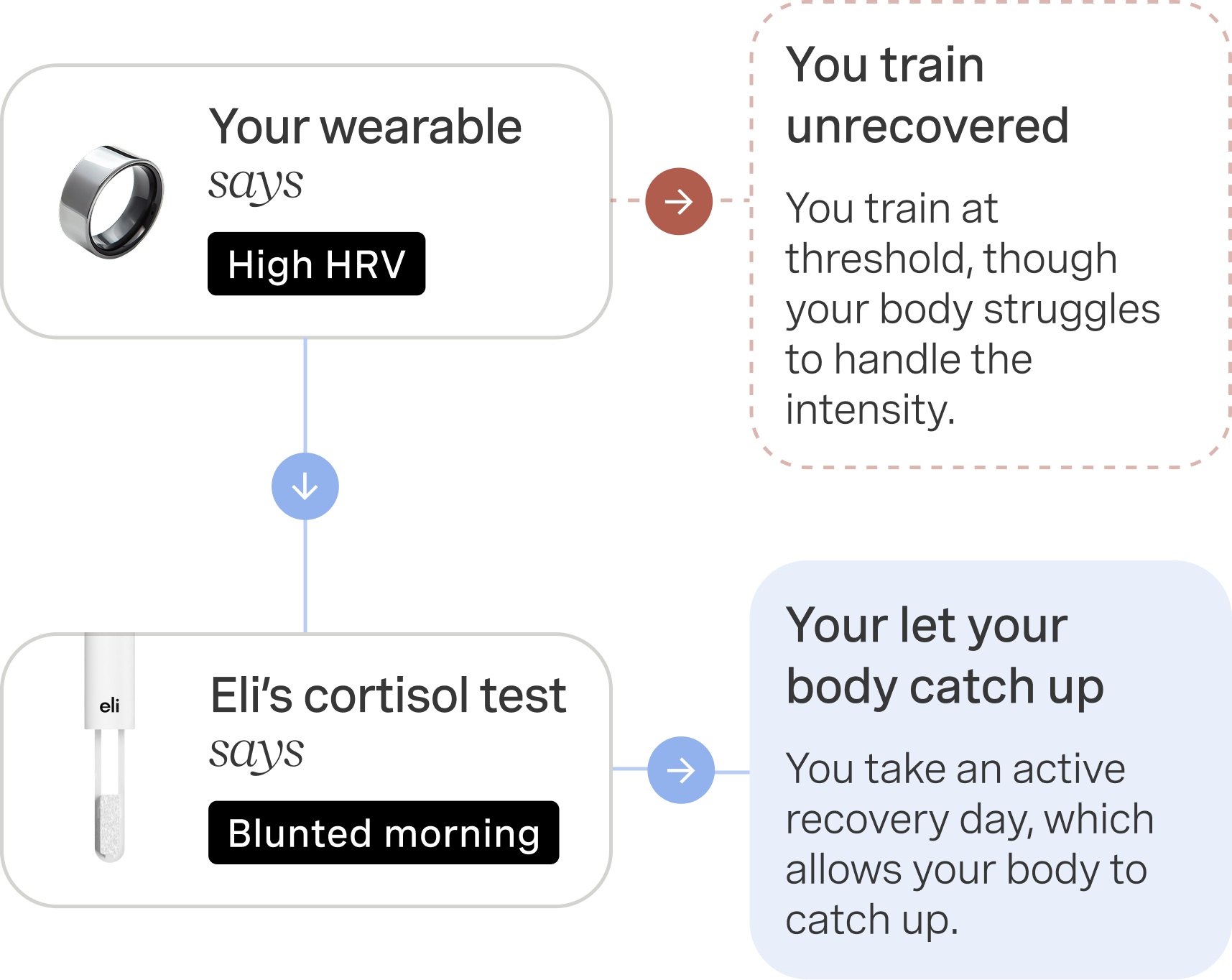
Your wearable says your HRV is fine, but you’ve felt off for weeks. Cortisol reflects cumulative load.
Your wearable tracks output. Cortisol tracks the impact.
Cortisol the direct biomarker that shows how your body is managing stress. Changes in it that affect performance show up before proxy signals like HRV and sleep scores.


Testing that fits your unique training block
Track how your body responds to training stress from build phases to off season, so you can optimize performance at every phase of your block.
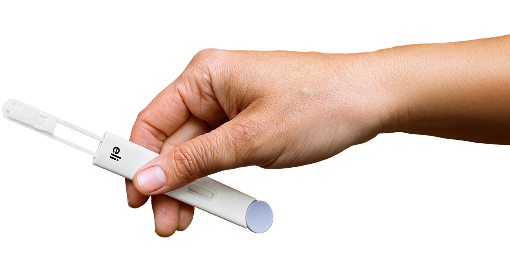
Go from guessing to knowing how training is going.
Track your daily cortisol rhythm and how it changes due to heavy training. Results in just 20 minutes.
Base Pack
24 tests · delivered once
Billed once
$8.29/test
Best for
Off-season & general recovery monitoring
Cortisol Awakening Curve (CAR) protocol
Benefits
Establish your hormonal baseline
First exposure to cortisol tracking
Core Pack
48 tests · delivered every 3 months
Billed every 3 months
$7.27/test
Best for
Maintaining fitness or off-season training
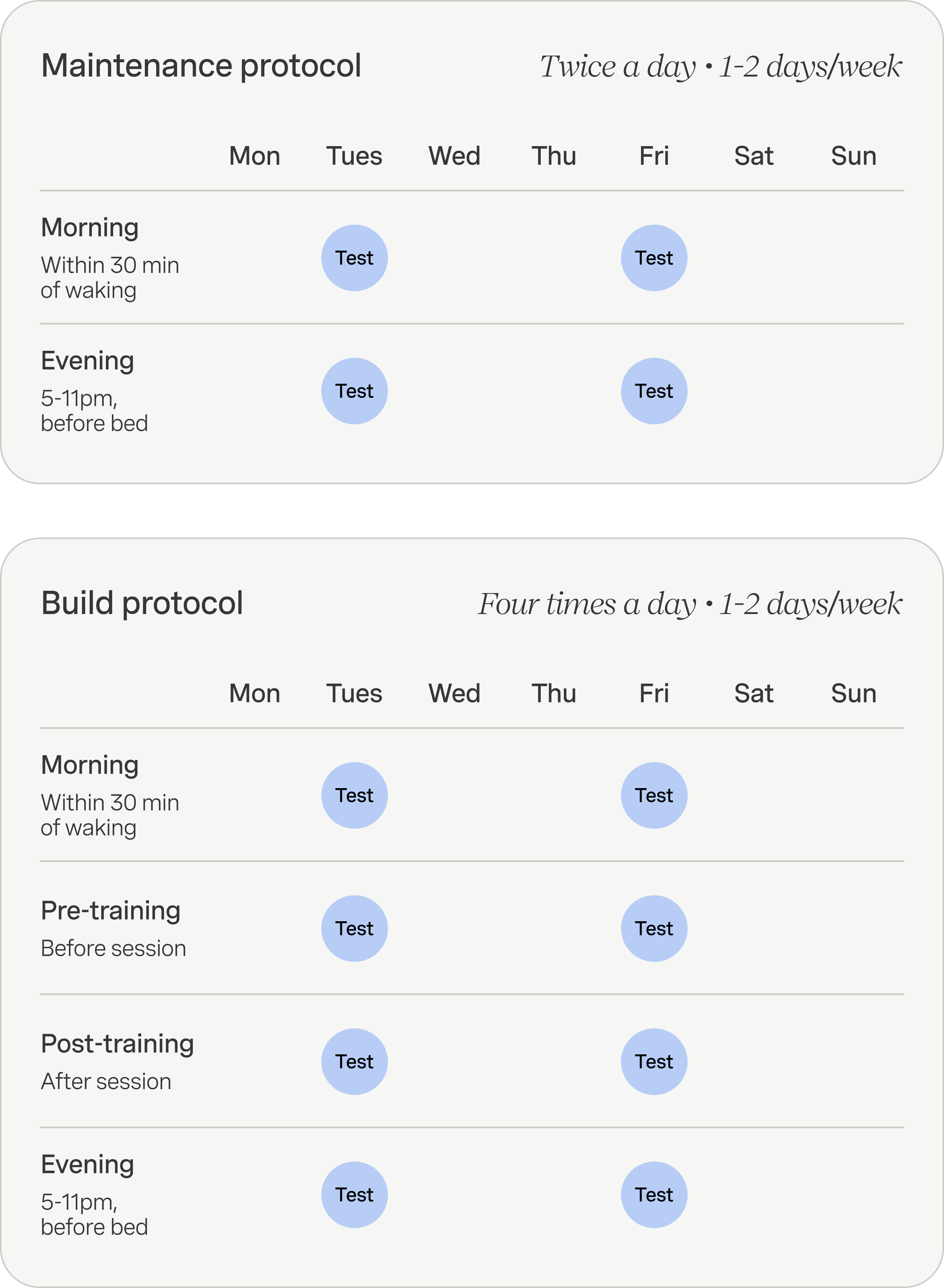
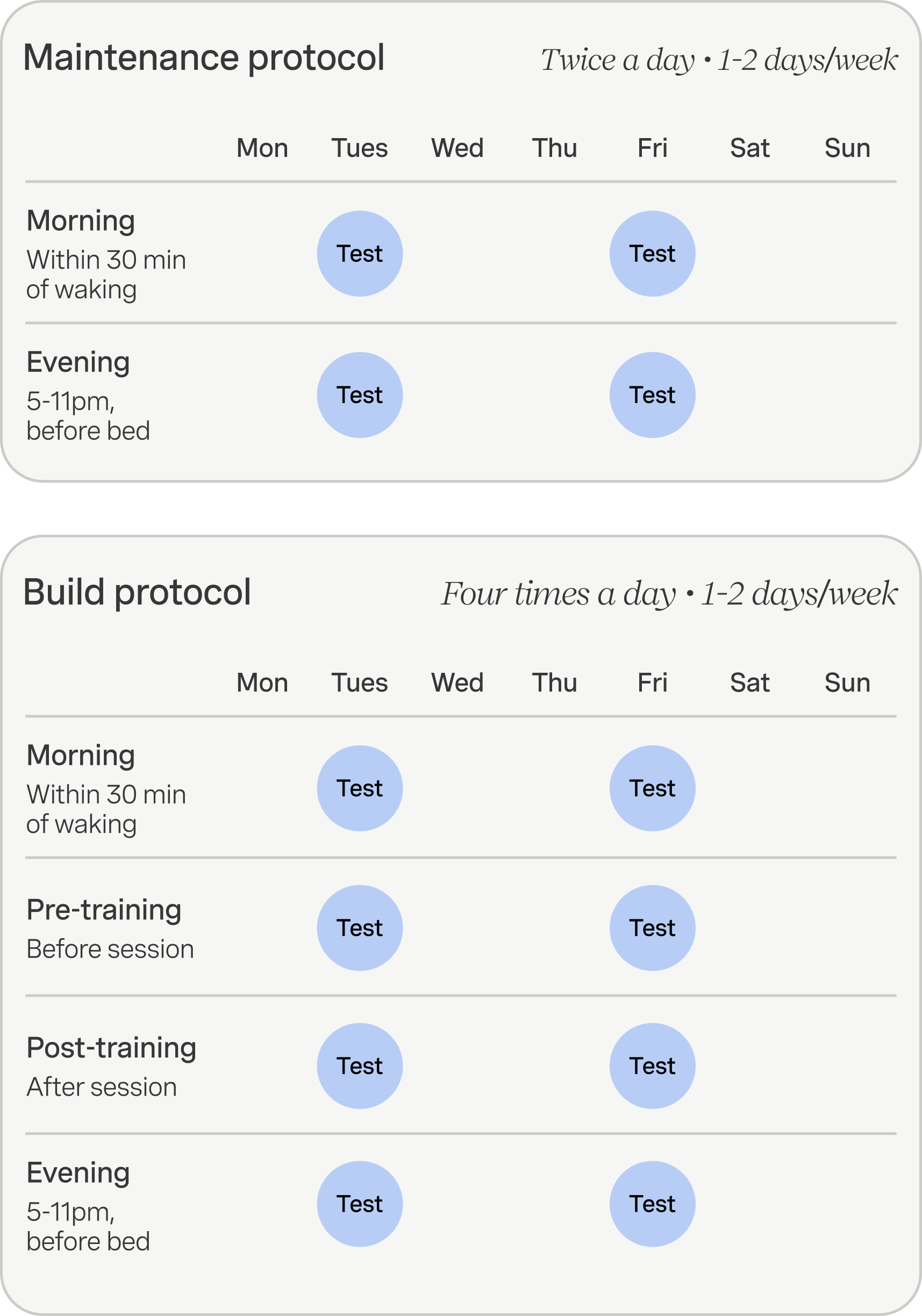
Covers testing twice a day, two times a week for three months
Benefits
Shows changes in your diurnal curve due to extended load
Shareable PDF data for coaches
Expert onboarding call
Free shipping
Pro Pack
72 tests · delivered every 3 months
Billed every 3 months
$7.20/test
Best for
Intense training or building fitness
Covers testing four time a day, two times a week for three months
Benefits
Shows changes in your diurnal curve, as well as pre-and post workout cortisol levels
Shareable PDF data for coaches
Expert onboarding call
Free shipping
From saliva to your phone in minutes

Step 01
Collect your saliva before and after training


Step 02
Scan it with the Eli app

Step 03
See how your cortisol responds to every session
Expert-led, from research to results.

Fady Hannah-Shmouni, MD
Endocrinologist and geneticist at the University of British Columbia.
Focus: Longevity healthcare.


Alicia Robbins, MD
Board-certified OBGYN and Certified Menopause Practitioner.
Focus: Midlife transitions healthcare.


Olivia Lesslar, MD
Physician and lecturer working across brain health, trauma, and recovery.
Focus: Integrative longevity healthcare.


4.7

What Eli users are saying
Customer reviews reflect individual experiences with wellness tracking. The Hormometer® is not intended to diagnose, treat, or screen for any medical condition.
CORTISOL
How Does Exercise Impact
Cortisol and Stress
CORTISOL
Ever Feel Like Your Wearables Are Lying to You?
Cortisol
Cortisol, Training, and Recovery: Understanding the Balance Between Stress and Performance
DISCLAIMER: This test is a wellness device. It is not intended to diagnose, treat, cure, prevent, or manage any disease or medical condition, including adrenal disorders such as Addison's disease, Cushing's syndrome, or overtraining syndrome. It provides lifestyle, training, and wellness insights only. Always consult a licensed healthcare professional, sports medicine doctor, or qualified coach before making changes to training protocols, medications, or treatment plans. If you are experiencing symptoms of severe overtraining, chronic illness, or hormonal dysfunction, seek medical evaluation.
REFERENCES
1. Cadegiani, F. A., & Kater, C. E. (2017). Hormonal aspects of overtraining syndrome: a systematic review. BMC Sports Science, Medicine and Rehabilitation, 9(1), 14.
2. Morgado, J. P., Rama, L., Silva, I., de Jesus Inácio, M., Henriques, A., Laranjeira, P., ... & Gleeson, M. (2021). Stress biomarkers and illness in athletes: A systematic review. Brain, Behavior, & Immunity - Health, 16, 100329.
3. Leproult, R., Copinschi, G., Buxton, O., & Van Cauter, E. (1997). Sleep loss results in an elevation of cortisol levels the next evening. Sleep, 20(10), 865-870.
4. Meeusen, R., Duclos, M., Foster, C., Fry, A., Gleeson, M., Nieman, D., ... & Urhausen, A. (2013). Prevention, diagnosis, and treatment of the overtraining syndrome: joint consensus statement of the European College of Sport Science and the American College of Sports Medicine. Medicine & Science in Sports & Exercise, 45(1), 186-205.
5. Duclos, M., Corcuff, J. B., Rashedi, M., Fougère, V., & Manier, G. (2003). Increased cortisol bioavailability, fat mass, and body weight in athletes during prolonged training. Journal of Clinical Endocrinology & Metabolism, 88(4), 1724-1729.
6. Main, L., & Grove, J. R. (2009). A multi-component assessment model for monitoring training distress among athletes. European Journal of Sport Science, 9(4), 195-202.
7. Hough, J., Corney, R., Kouris, A., & Gleeson, M. (2013). Salivary cortisol and testosterone responses to four different rugby training exercise protocols. European Journal of Sport Science, 13(3), 215-222.
8. Hough, J., Robertson, C., & Gleeson, M. (2015). Blunting of exercise-induced salivary testosterone in elite-level triathletes with a 10-day training camp. International Journal of Sports Physiology and Performance, 10(7), 935-938.
9. Cadegiani, F. A., & Kater, C. E. (2017). Body composition, metabolism, sleep, psychological and eating patterns of overtraining syndrome: results of the EROS study. Journal of Sports Sciences, 36(16), 1902-1910.
10. Lac, G., & Berthon, P. (2000). Changes in cortisol and testosterone levels and T/C ratio during an endurance competition and recovery. Journal of Sports Medicine and Physical Fitness, 40(2), 139-144.
11. Vgontzas, A. N., Tsigos, C., Bixler, E. O., Stratakis, C. A., Zachman, K., Kales, A., ... & Chrousos, G. P. (1998). Chronic insomnia and activity of the stress system: a preliminary study. Journal of Psychosomatic Research, 45(1), 21-31.
12. Meeusen, R., Duclos, M., Foster, C., Fry, A., Gleeson, M., Nieman, D., ... & Urhausen, A. (2013). Prevention, diagnosis, and treatment of the overtraining syndrome. European Journal of Sport Science, 13(1), 1-24.
13. Viru, A., Viru, M., Karelson, K., Janson, T., Siim, K., Fischer, K., & Hackney, A. C. (2007). Adrenergic effects on adrenocortical cortisol response to incremental exercise to exhaustion. European Journal of Applied Physiology, 100(2), 241-245.
14. Leproult, R., Copinschi, G., Buxton, O., & Van Cauter, E. (1997). Sleep loss results in an elevation of cortisol levels the next evening. Sleep, 20(10), 865-870.
15. Dattilo, M., Antunes, H. K. M., Medeiros, A., Mônico-Neto, M., Souza, H. S., Tufik, S., & de Mello, M. T. (2011). Sleep and muscle recovery: endocrinological and molecular basis for a new and promising hypothesis. Medical Hypotheses, 77(2), 220-222.
16. Kudielka, B. M., Hellhammer, D. H., & Wüst, S. (2009). Why do we respond so differently? Reviewing determinants of human salivary cortisol responses to challenge. Psychoneuroendocrinology, 34(1), 2-18.
17. Adam, E. K., Quinn, M. E., Tavernier, R., McQuillan, M. T., Dahlke, K. A., & Gilbert, K. E. (2017). Diurnal cortisol slopes and mental and physical health outcomes: A systematic review and meta-analysis. Psychoneuroendocrinology, 83, 25-41.
18. Gröschl, M. (2008). Current status of salivary hormone analysis. Clinical Chemistry, 54(11), 1759-1769.