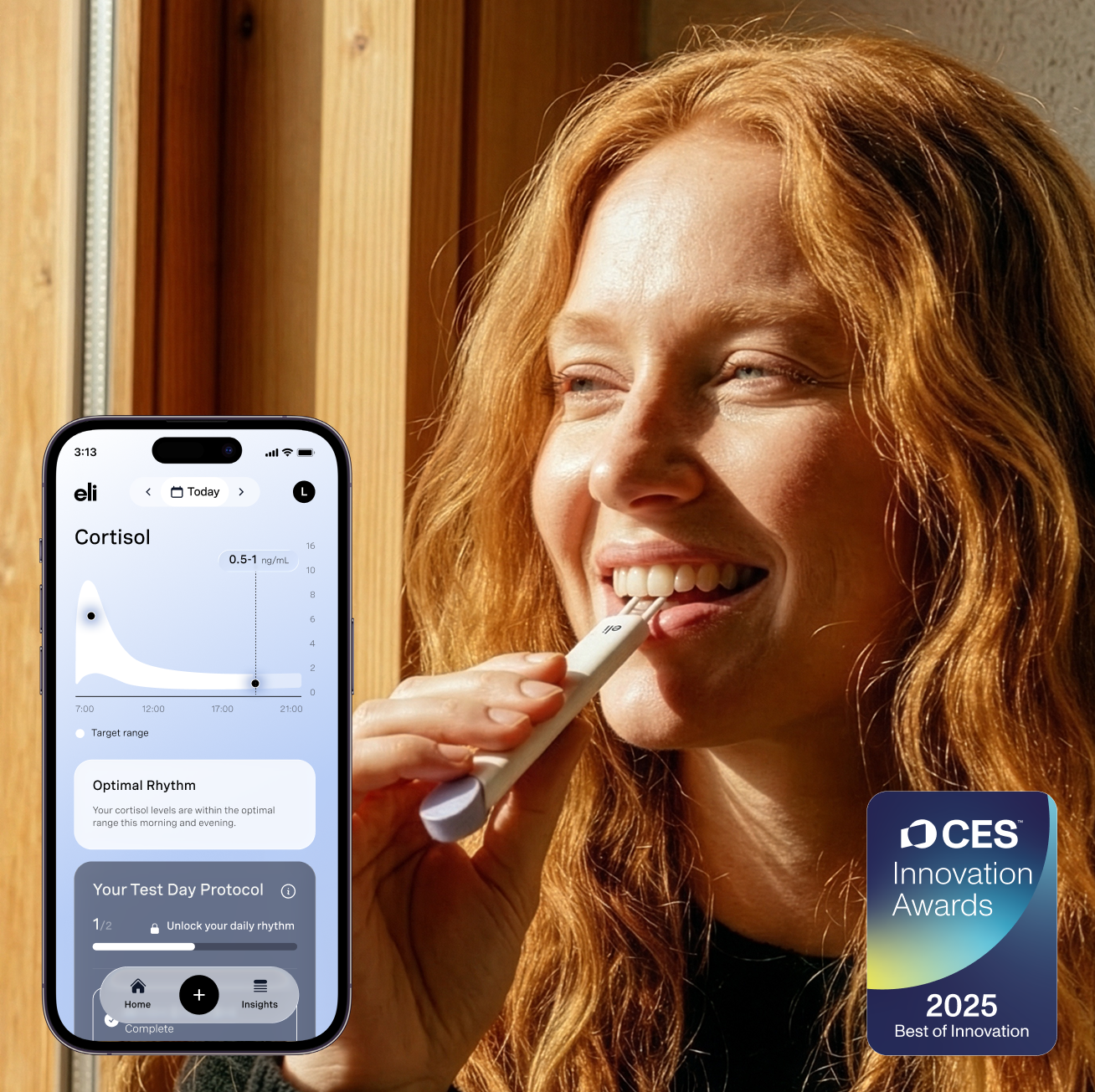
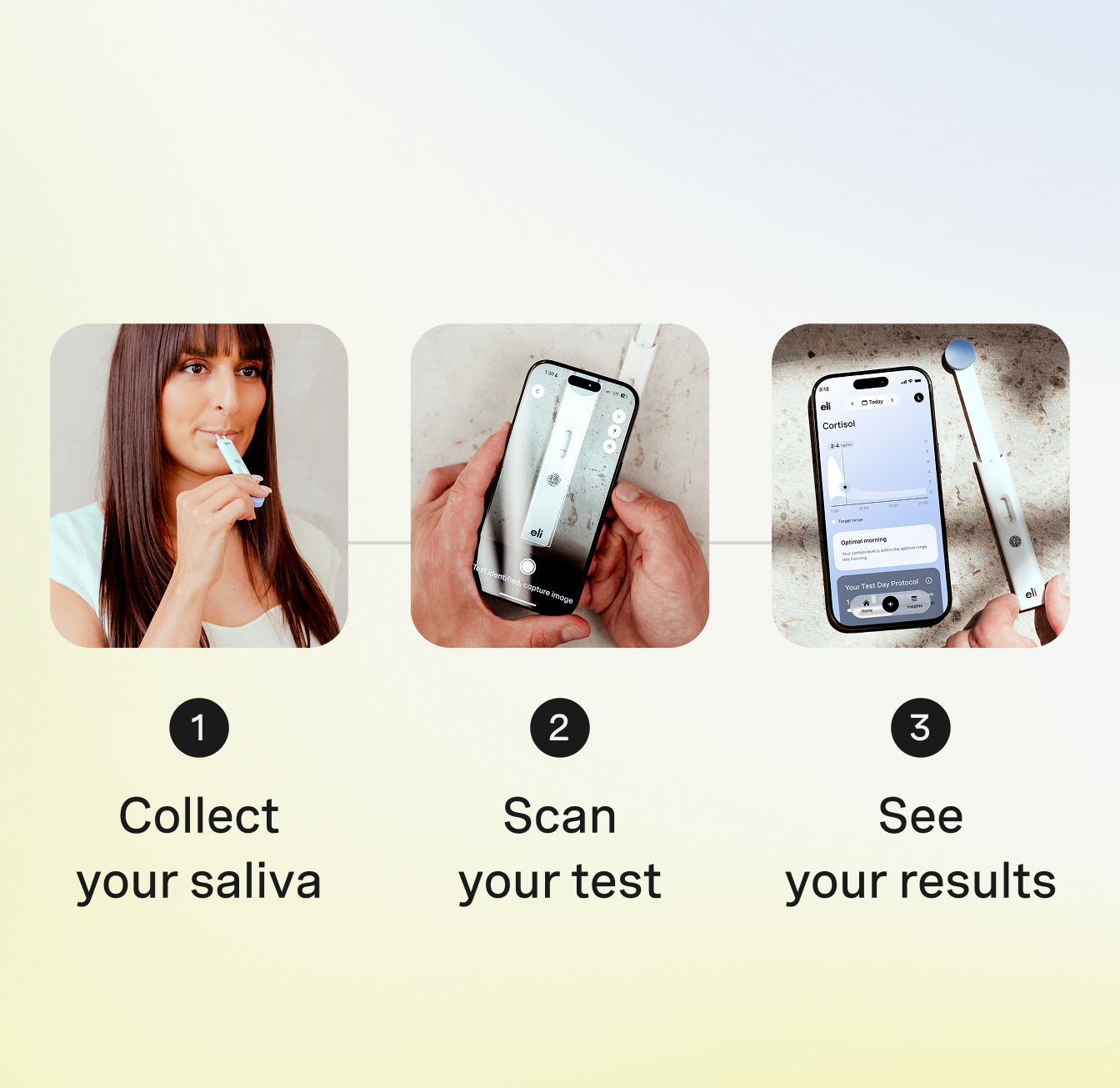
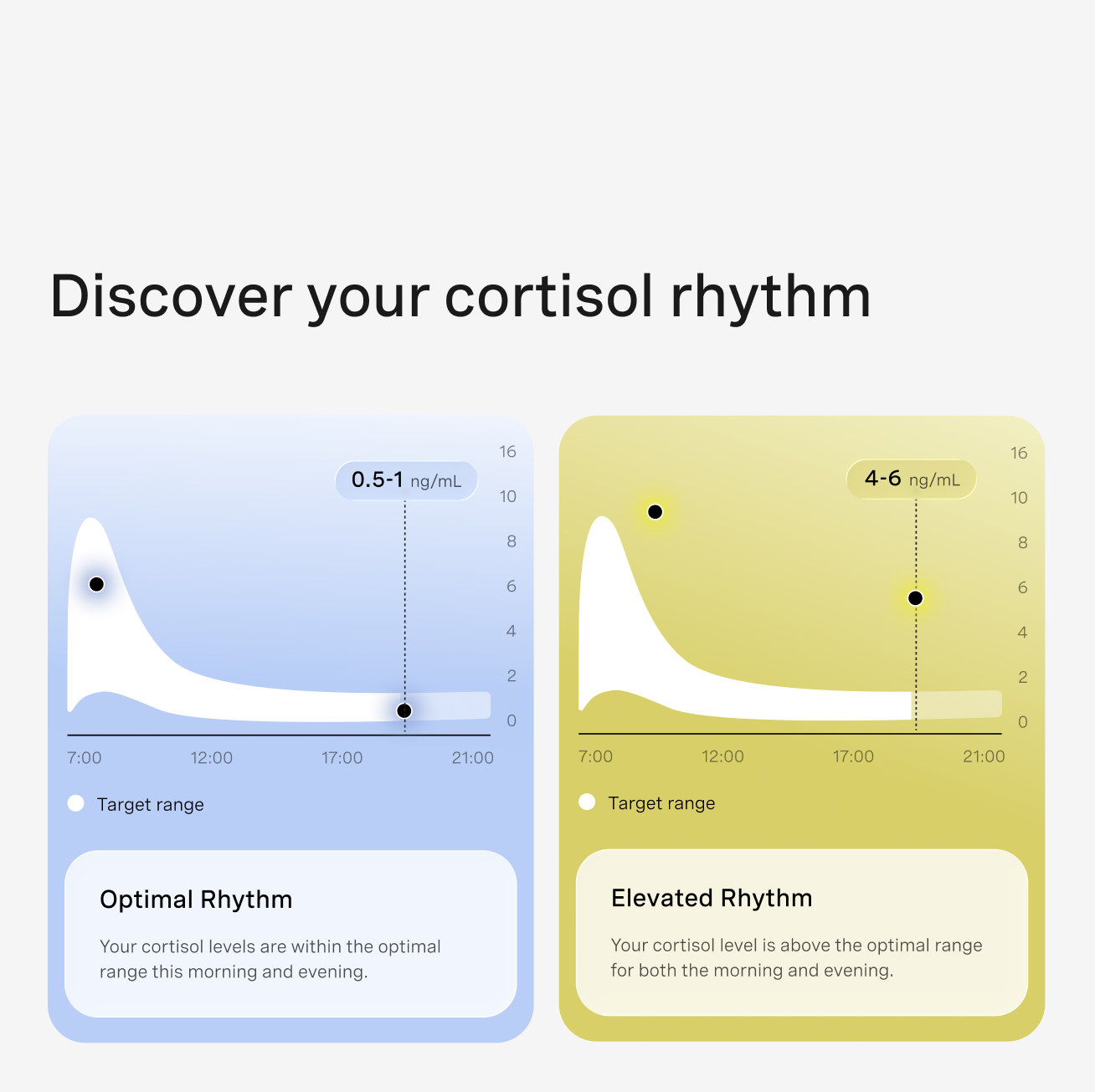
Testing with Hormometer® over time reveals something powerful: your complete cortisol rhythm. Not just isolated numbers—the full daily pattern that governs your energy, sleep, and stress response.
This is your cortisol diurnal rhythm,
What is your diurnal rhythm?
Your cortisol follows a 24-hour rhythm:
Morning: Sharp peak 30-60 minutes after waking (Cortisol Awakening Response)
Day: Gradual decline through afternoon
Evening: Reaches lowest point by bedtime
This isn't random. A healthy rhythm looks like a wave: high morning energy, steady decline, low evening levels that set the stage for sleep.
What different rhythms can reveal
Standard
Rises when it should, falls consistently, and hits its floor by evening. A strong morning peak followed by a gradual decline is a sign your rhythm is working. You wake with energy and wind down naturally.
Elevated
The morning peak runs unusually high, or cortisol stays elevated into the evening when it should be falling. Something is keeping your system activated, which could include chronic stress, late caffeine, evening workouts, or ongoing anxiety.
Flat
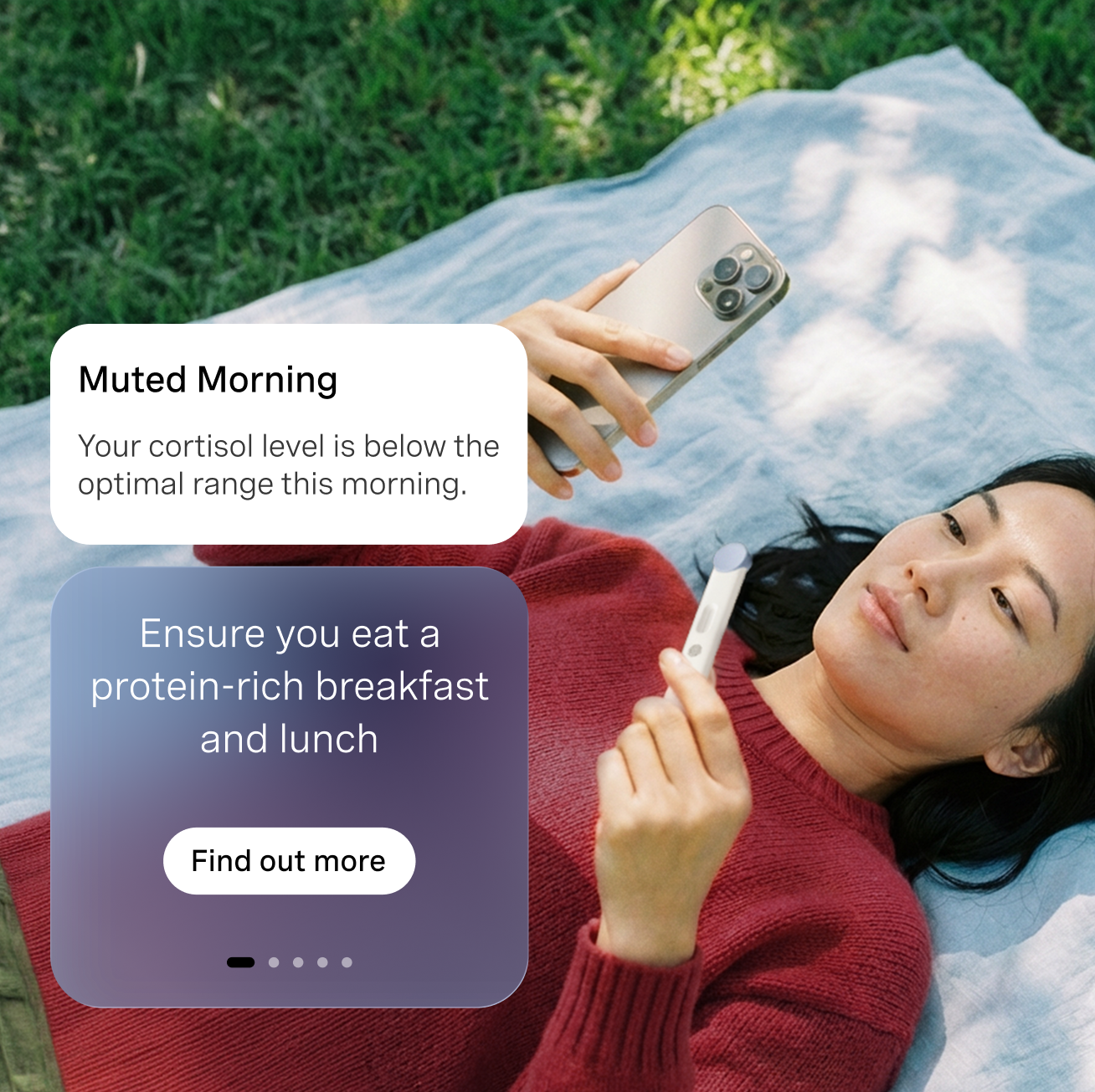
Little separation between morning and evening values. No sharp rise, no clear floor. A flat rhythm is often associated with chronic stress or prolonged burnout. Your body has essentially stopped responding properly to the morning signal. Those with a flat rhythm often feel fatigue despite adequate sleep.
Inverted
The typical pattern has flipped: cortisol stays low in the morning and climbs toward its highest point at night. This can develop gradually through shift work, jet lag, chronic sleep disruption, or sustained stress.
None of these patterns are permanent, but each signals how your body is currently responding.
How to use your rhythm
1. Identify your baseline
Test morning, afternoon, and evening across multiple days. What does your natural rhythm look like as you go about your daily life?
2. Test lifestyle factors
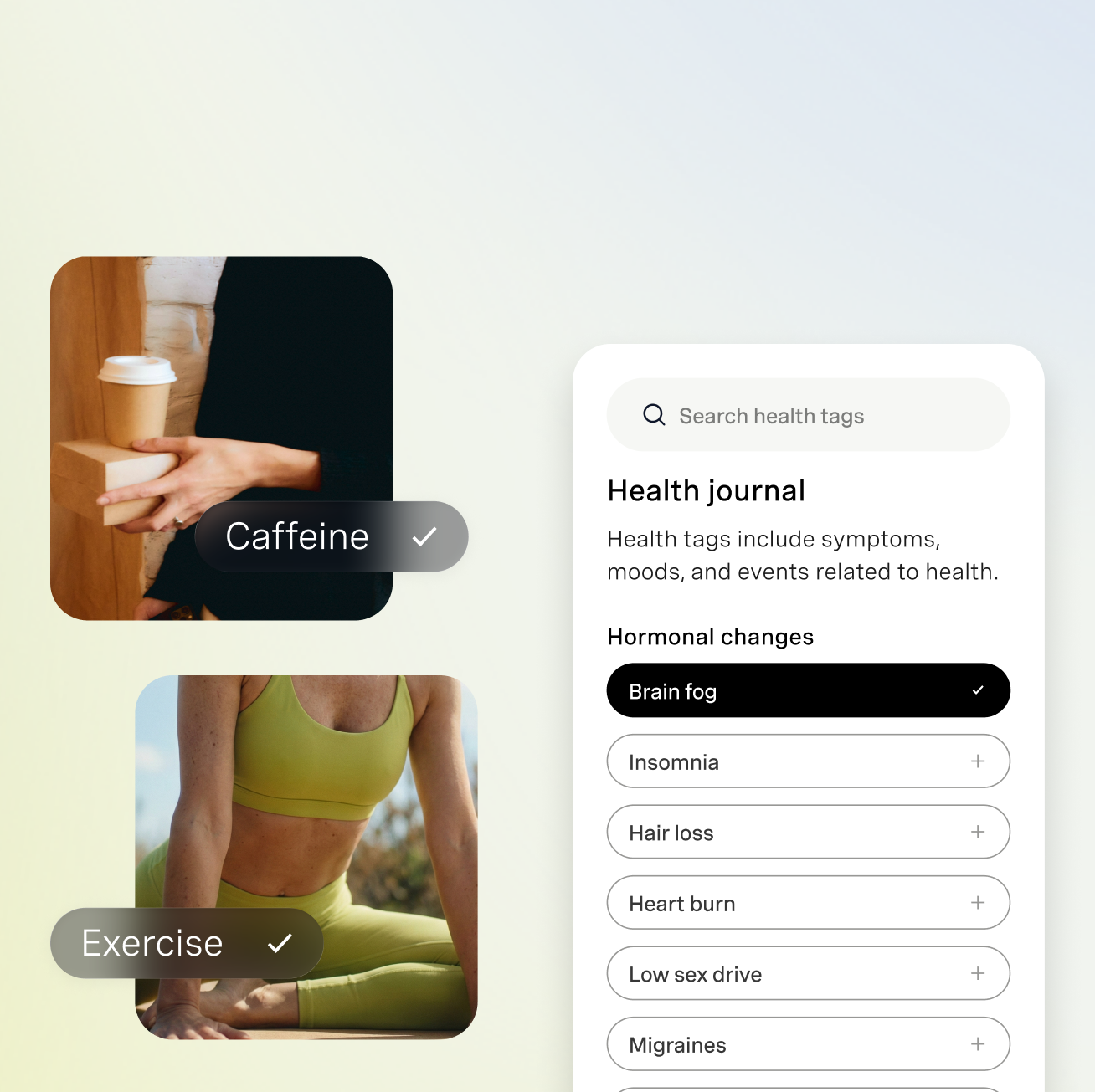
Try adjusting one variable at a time: caffeine timing, workout window, wind-down routine—then retest. Your rhythm shows how your habits are shaping your pattern.
3. Track changes over time
Your rhythm isn't fixed. Better sleep, stress management, and consistent scheduling can shift your pattern. Testing over time shows what's working.
Bottom line: One test is a snapshot. Multiple tests reveal your rhythm. Tracking over time shows what shapes it — and what you can do to support it.