Understanding your diurnal rhythm
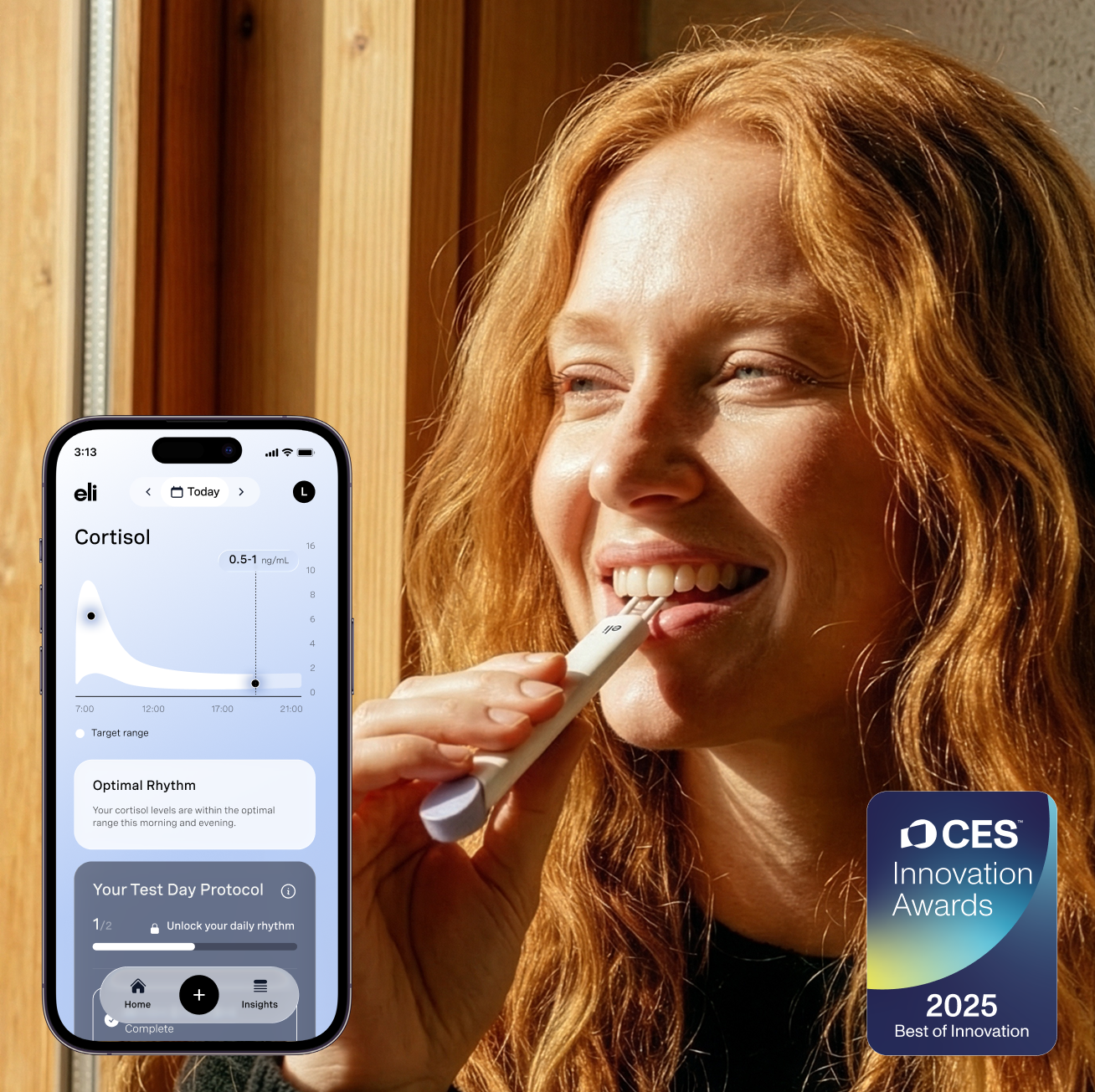
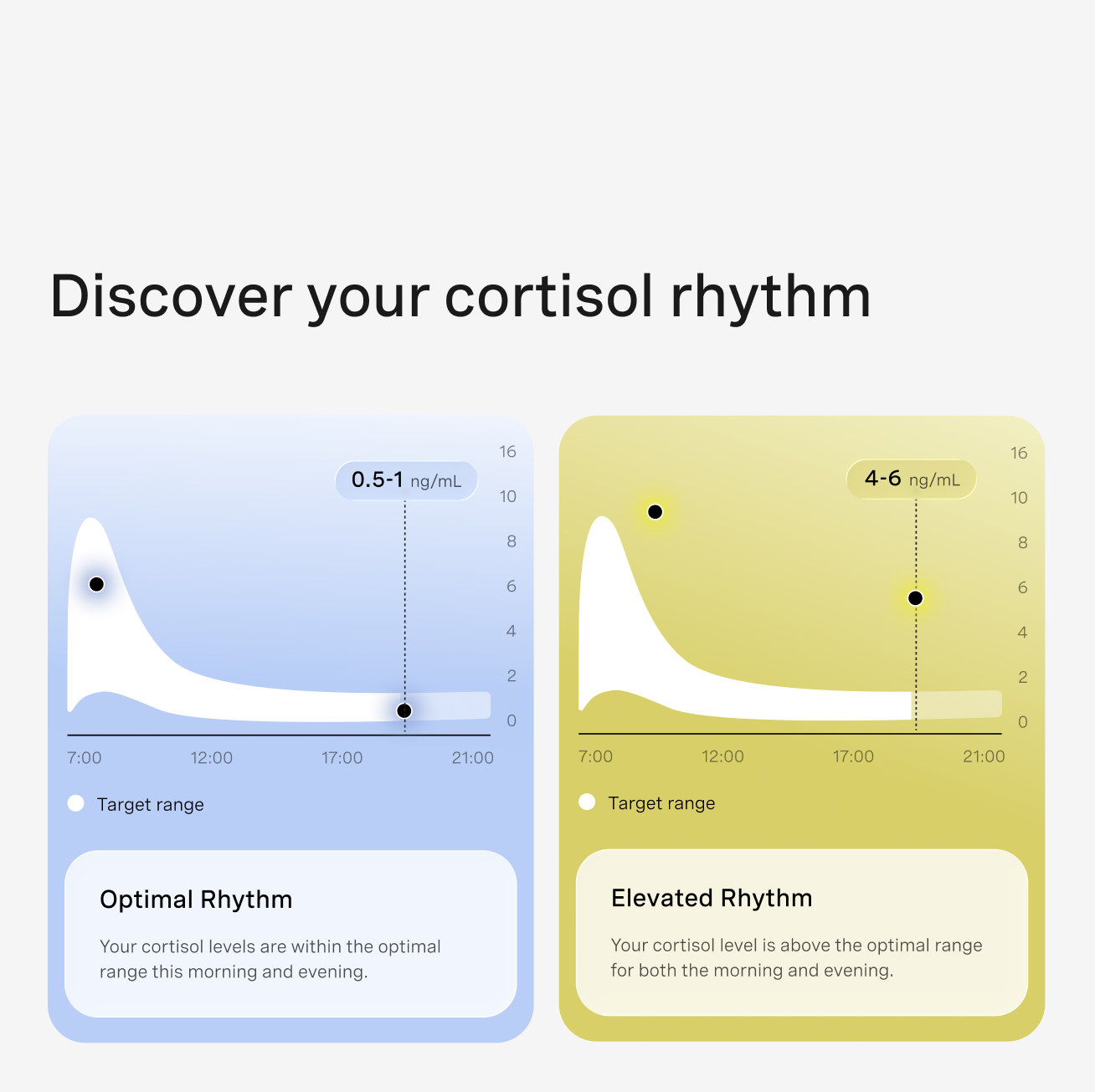
Your body runs on a cortisol rhythm that naturally peaks in the morning and drops through the day. This pattern—called your diurnal rhythm—drives your energy, focus, and stress response.
A healthy rhythm shows:
-
Morning spike: Sharp rise within 60 minutes of waking (your cortisol awakening response)
-
Steady decline: Gradual drop through the day
-
Evening low: Lowest point by bedtime (the precursor to falling asleep)
What is an inverted rhythm?
An inverted rhythm is when your cortisol pattern is flipped: you have low morning cortisol (under 2 ng/mL) and high evening cortisol (above 2 ng/mL).
Signs of an inverted rhythm:
-
Waking up exhausted or struggling to get out of bed
-
Gradually feeling energy increase as the day progresses
-
Feeling most alert and energized at night (around 8 PM-midnight)
-
Difficulty falling asleep, despite feeling tired all day
This pattern completely reverses your natural rhythm—you're biochemically awake when you should sleep, and biochemically asleep when you should be awake.
Why does an inverted rhythm happen?
An inverted rhythm typically develops gradually, often as the result of sustained stress, disrupted sleep, or lifestyle patterns that work against your body's natural clock. Potential causes include:
-
Exhausted stress response: Your body can no longer produce the morning surge
-
Nighttime anxiety: Stress and racing thoughts keep evening cortisol high
-
Shift work or irregular schedules: Your circadian rhythm has been forcibly reversed
-
Chronic sleep deprivation: Poor sleep prevents morning cortisol from rising properly
Other causes include:
-
Severe depression or anxiety disorders
-
Post-traumatic stress disorder (PTSD)
-
Chronic pain conditions
-
Long-term medication use affecting cortisol
Note: The factors above are not a diagnosis. If you suspect an underlying condition is affecting your cortisol pattern, we recommend consulting a licensed physician for a full assessment.
What worsens an inverted rhythm?
-
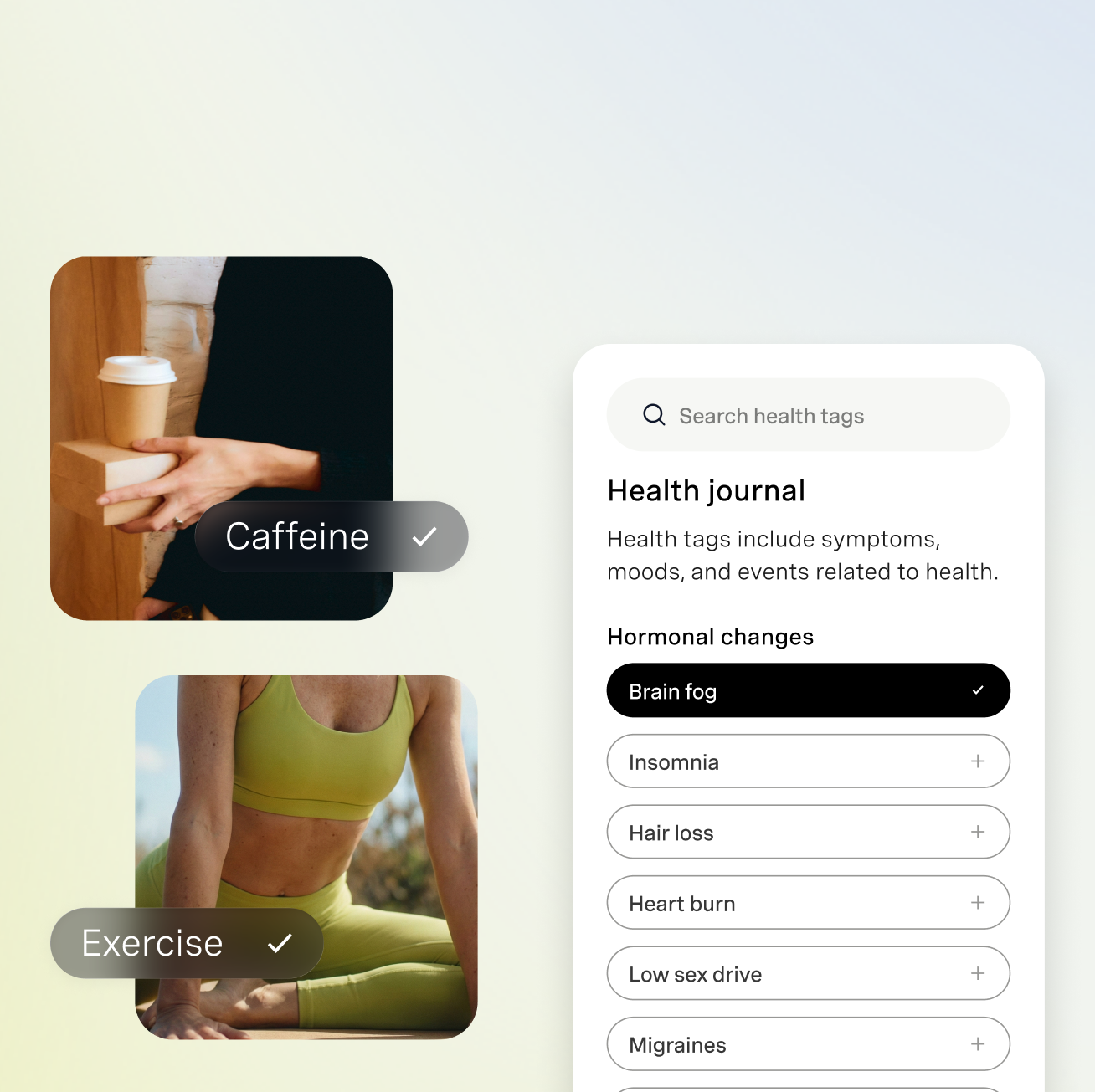
Late caffeine: Afternoon coffee keeps evening cortisol elevated
-
Evening screens: Blue light suppresses melatonin and sustains cortisol
-
No morning light exposure: Staying in dim light blunts morning response
-
Late exercise: Working out at night elevates cortisol when it should drop
-
Stressful evenings: Work, conflict, or planning sessions before bed
What to do next
1. Track your pattern in the Eli app
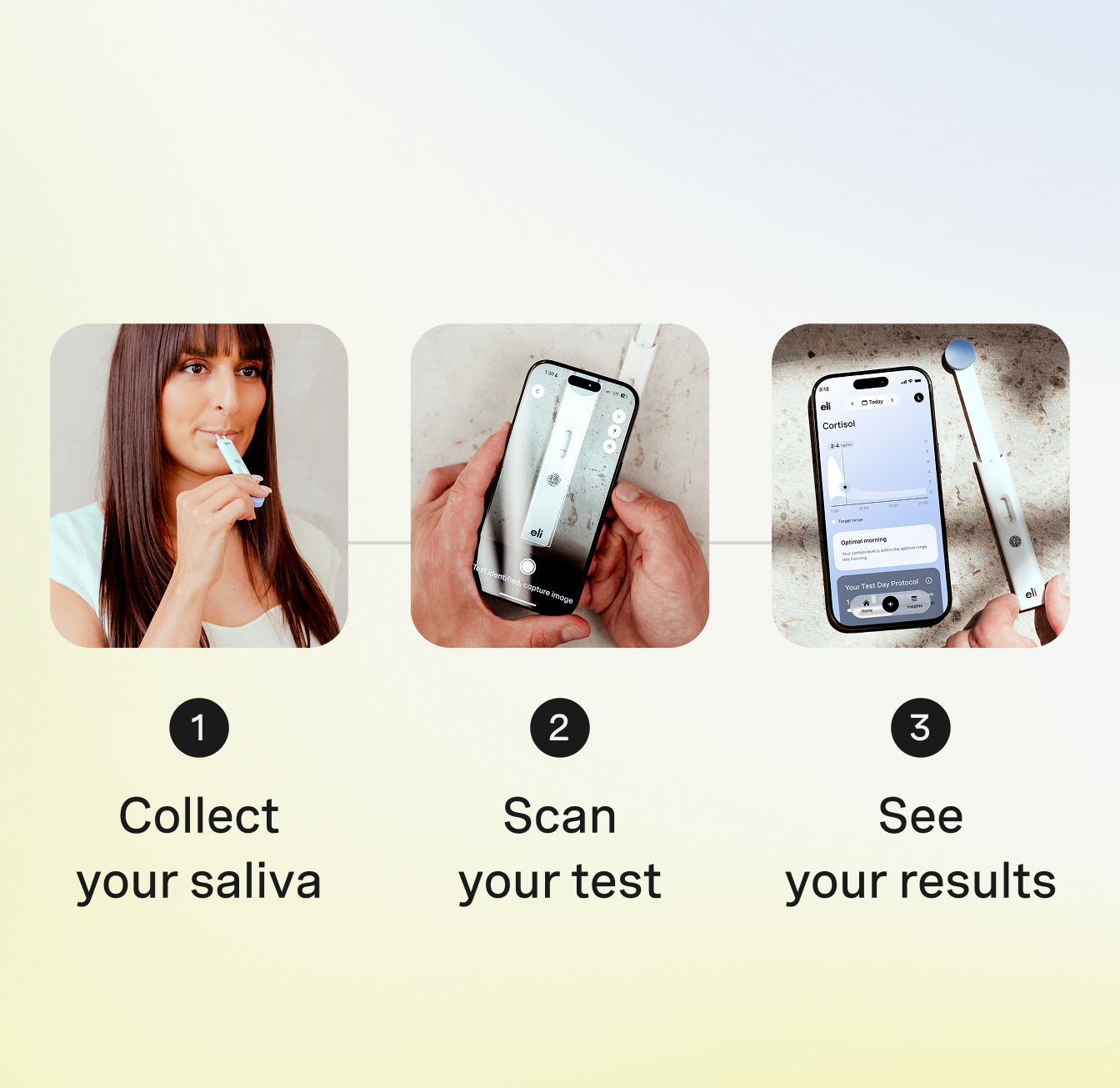
Test your cortisol in the morning (we recommend within 30 minutes of waking for consistency) and in the evening (5-11 PM) for several days to confirm an inverted pattern. The app shows whether your rhythm is truly inverted or just flat.
2. Adjust based on insights
-
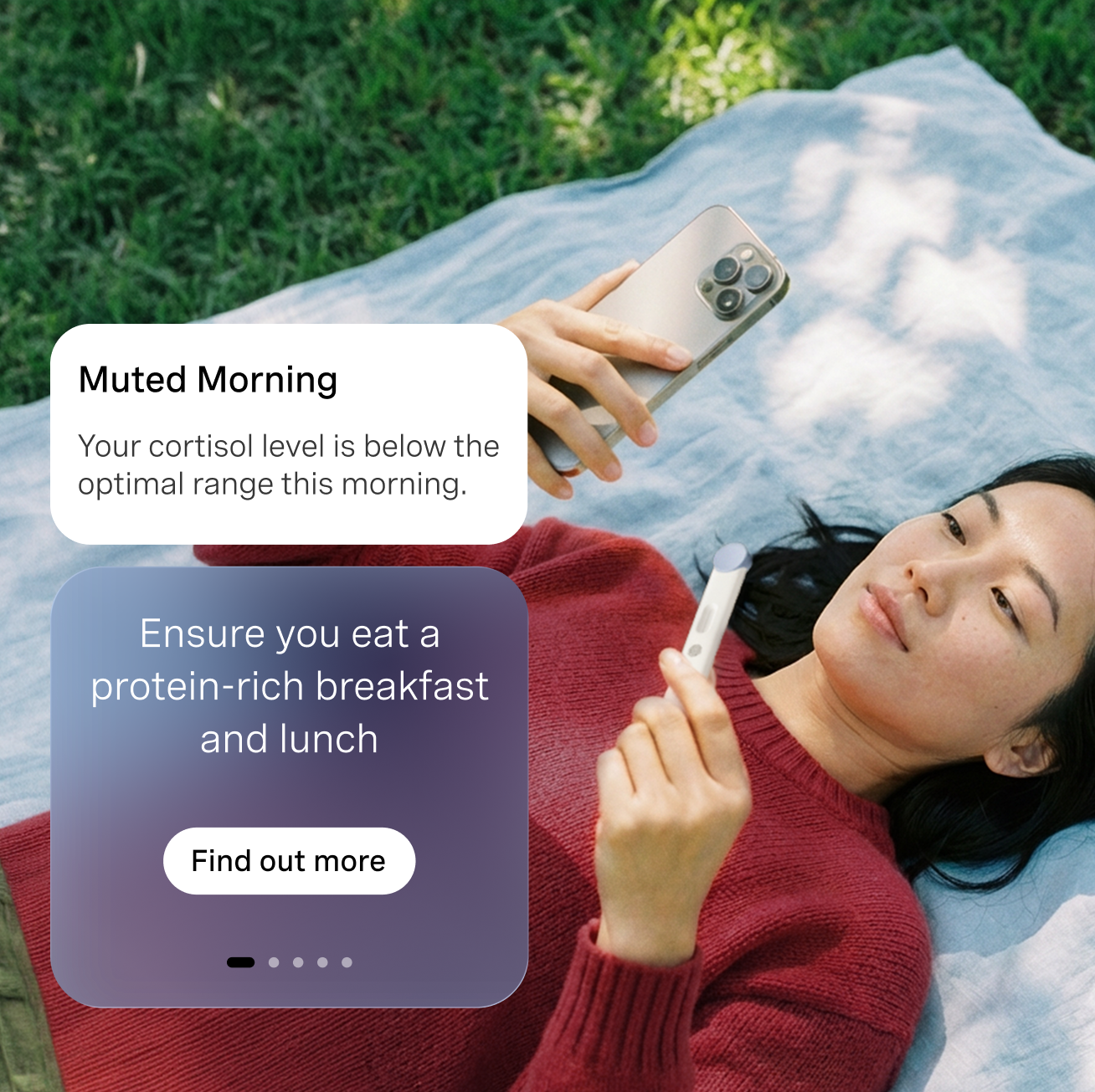
Rebuild morning cortisol: Get bright light immediately upon waking (15+ minutes outdoors or by a window), take a cold shower, incorporate morning exercise, and eat a protein-rich breakfast
-
Lower evening cortisol: Cut caffeine after 12 PM, move exercise before 6 PM, power down screens by 9 PM, take magnesium and wind down with relaxation techniques before bed
-
Stabilize sleep schedule: Maintain the same bedtime and wake time every day—even weekends—for at least 2 weeks
3. Consult a doctor
If your pattern shows persistent inversion over 4–6 weeks of testing, it may be worth speaking with an endocrinologist or functional medicine provider to rule out underlying factors and get additional support.
Bottom Line: An inverted rhythm isn't just a sleep problem—it's a signal that your body's daily cortisol pattern has shifted out of alignment. The good news: rhythms are responsive. With consistent changes to how you structure your day, many people see their pattern start to shift.