Hormone Lab
-

Signs your cortisol may be out of balance
Fatigue, mood shifts, disrupted sleep — these signs can point to cortisol running too high or too low. Here's how to tell the difference, and what to do next.
-

Saliva vs. blood cortisol tests: which one is right for you?
Blood and saliva cortisol tests both measure cortisol — but they don't measure the same thing. Learn how each method works, what each one is designed to tell you, and how to choose the right test for your goals.
-

Why your cortisol reading might look different than expected
Cortisol isn't a fixed number—it's a rhythm that naturally fluctuates, falling gradually from morning to night. When you get an unexpected reading, it's important to consider the context around it, since factors like timing, recent stress, sleep, and collection technique all impact your results.
-

Understanding Cortisol
Your master stress hormone controls energy, sleep, and recovery—when the rhythm breaks, everything feels harder.
-

Understanding Different Diurnal Rhythms
Your cortisol diurnal rhythm is a powerful pattern that governs your energy, sleep, and stress response, which shift and adapt to your unique lifestyle.
-
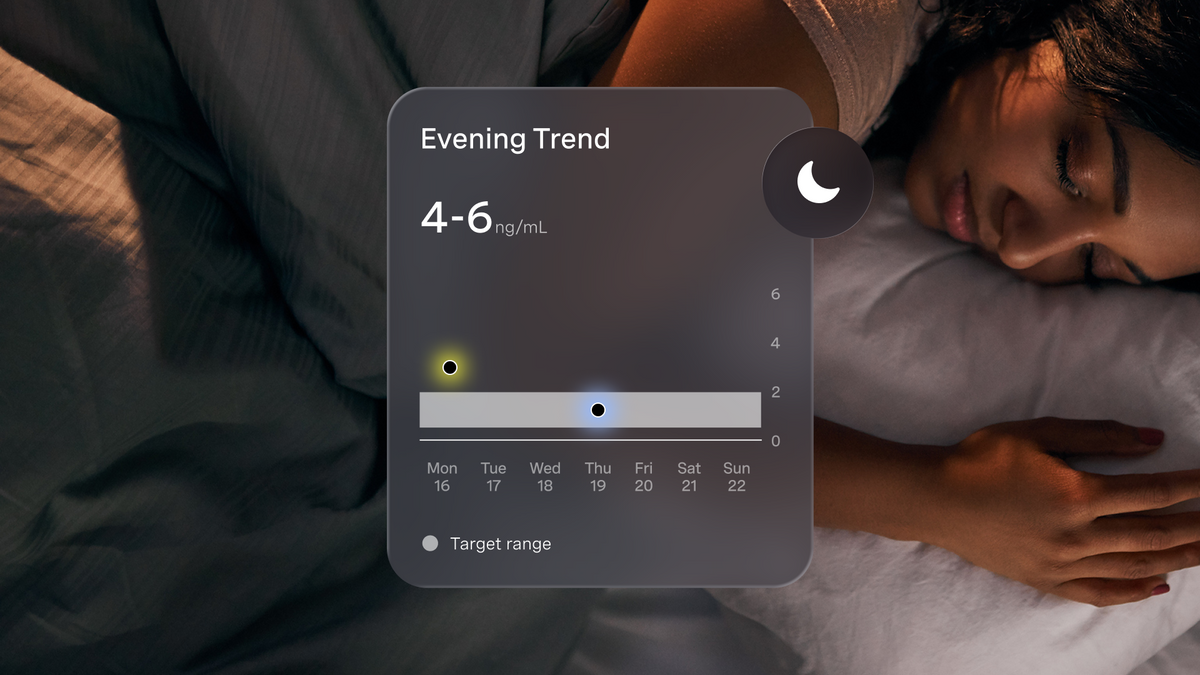
What your evening cortisol test results mean
Your evening cortisol is an extremely strong signal of sleep quality. Under 1 ng/mL = biochemically ready for sleep. Above 2 ng/mL = fighting your biology. Fix your evening cortisol, fix your sleep.
-

What your morning cortisol test results mean
Your morning cortisol reveals your starting point for the day. Your natural peak can occur anytime in the first hour after waking—so consistency in testing time matters more than the exact timepoint.
-

What the cortisol awakening response (CAR) tells you
Your CAR is your body's daily stress test. These three measurements reveal whether your stress response system is healthy, exhausted, or overactive—giving you an early warning of burnout. Your natural peak timing may vary, but the magnitude of the increase matters most.
-

What high cortisol throughout the day means for your health
Persistently high cortisol throughout the day isn't just stress—it's a medical red flag. If lifestyle changes don't bring levels down, consult a doctor.
-

What an inverted cortisol rhythm means for your health
An inverted rhythm isn't just a sleep problem—it's a signal that your body's daily cortisol pattern has shifted out of alignment. The good news: rhythms are responsive. With consistent changes to how you structure your day, many people see their pattern start to shift.
-

What a flat diurnal curve means for your health
A flat curve is your body's way of saying: "I've been running on empty for too long." The good news? With consistent effort, most flat curves can be restored.
-

Understanding Cortisol: Ranges, Variability, and Why Tracking Matters
Discover how cortisol rhythms shape stress, sleep, and energy, and why tracking patterns with Hormometer™ provides clearer hormone insights.


